Return Brand List
Chinese Name
Good Luck Delivery
Country
Germany
Manufacturer
Weintraud & Co. GmbH
Year Founded
1884 year
ROWENTA
Brand Introduction
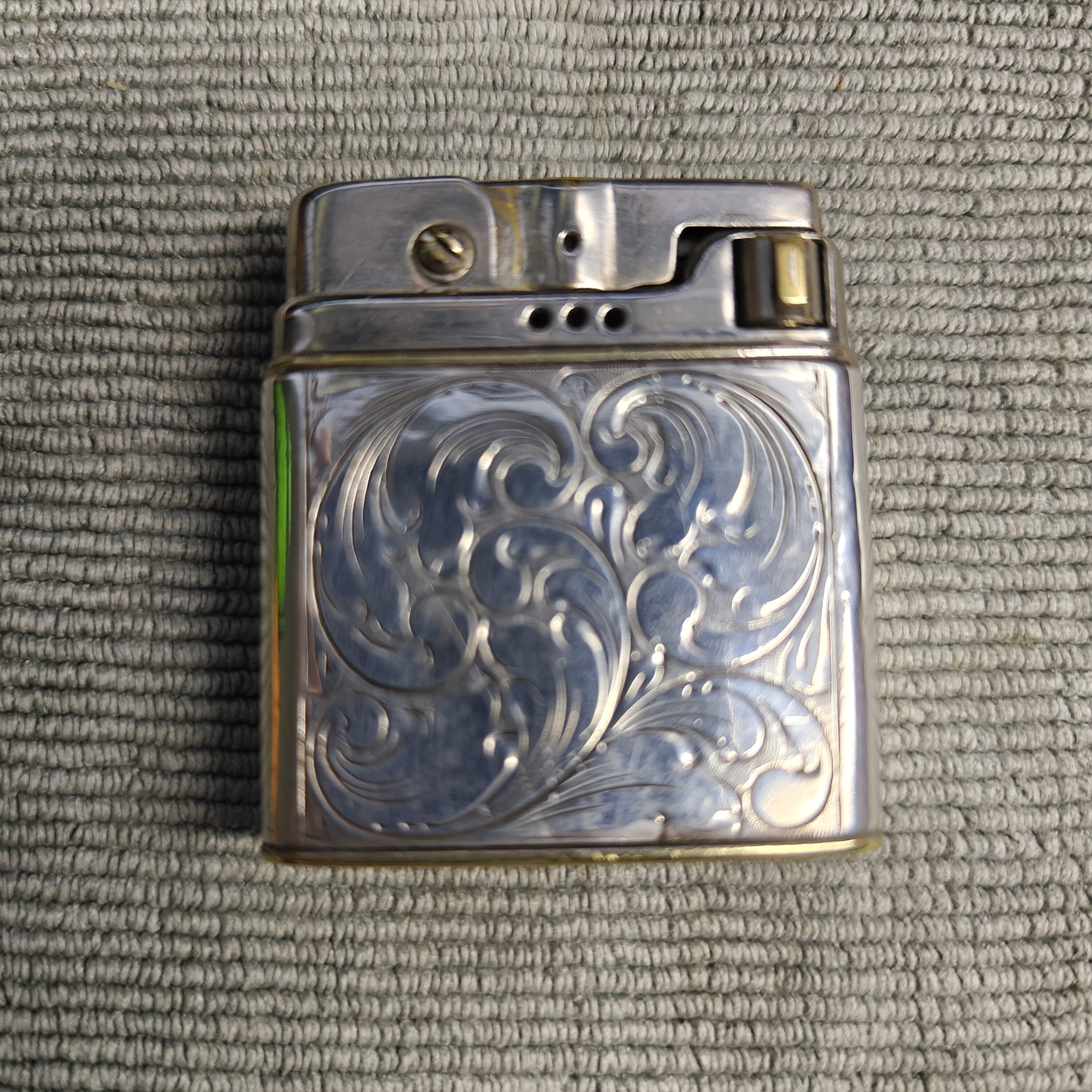
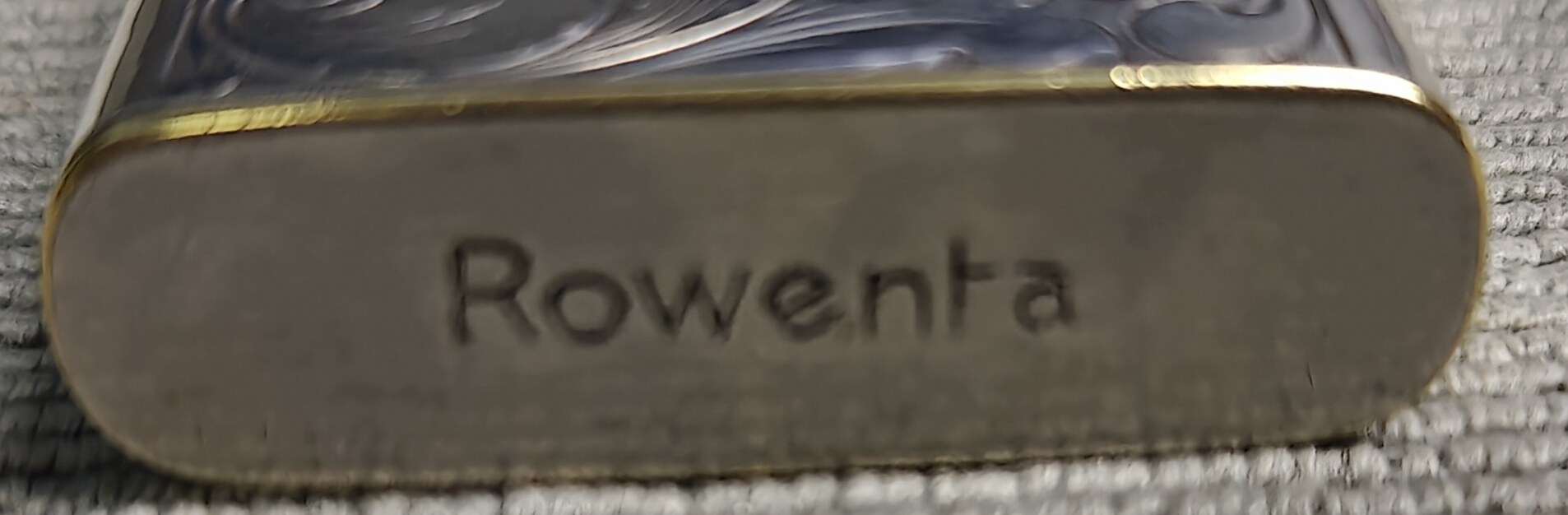
Rowenta, now globally renowned for its premium small appliances (irons, vacuums, etc.), was a pioneer in industrial design and electronics within Europe's top-tier mechanical lighter industry in the mid-20 century. Its trademark was registered in 1909, 12, inspired by a combination of the founder Robert Weintraud's full name.
Rowenta lighters occupy a prestigious place in the antique smoking accessories collector community (such as the LastDodo classic lighter catalog), known for their high-end business and luxury gift positioning, featuring a distinctly modernist and hardcore minimalist aesthetic.
Milestones
1. The Dawn of Cross-Border Metal Lighters (1884 – 1930s)
In 1884, Robert Weintraud founded the company, initially producing office supplies, lamps, clocks, and premium men's smoking accessories (such as metal cigarette cases and mouthpieces). After launching a world-famous electric iron in 1919 that achieved successful industrialization, Rowenta leveraged its precision metal plating and stamping technologies to manufacture casings for European lighter manufacturers, gradually entering the lighter business.
2. Wartime Desktop Experimentation and Bombing-Induced Halt (1940 – 1945)
In 1940, Rowenta introduced its first formal lighter: a heavy-duty semi-automatic gasoline desktop model. However, with the outbreak of World War II, civilian precious metals and fuel came under strict rationing. The factory in Offenbach also suffered intense Allied bombing, forcing all lighter R&D and production to a complete standstill.
3. Post-War Revival and the Golden Age of "Side-Press" Gasoline Lighters (1947 – late 1950s)
Following WWII, Rowenta quickly began post-war reconstruction. From 1947 to 1948, the company experienced a golden boom in its lighter division. Its Rowenta Snip series electrified Europe, transforming Rowenta into a top-tier smoking accessory manufacturer on par with Dunhill and Ronson. In the 1950s, the brand expanded into an extensive range of portable and desktop models, including women's lines and high-end leather collaborations (e.g., Aigner cases).
4. The Gas Revolution and the Era of Global Firsts in Piezo-Electric Technology (1960s – 1970s)
Amidst the rise of butane gas, Rowenta executed two major leaps in the 60s: first adapting its gasoline structure for gas use, then launching the world's first commercial piezo-electric lighter, the Rowenta Electronic, in 1964. Hailed by major media as the industry's "moon landing," this innovation ushered lighters into an electronic age free from flint stones.
5. Market Restructuring and Final Exit (1980s – Present)
By the 1980s, faced with price wars from Japanese electronic lighters and a global flood of cheap plastic disposables, profits for costly German-made mechanical and electronic lighters plummeted. Rowenta completely closed and divested all lighter production lines in the early 1980s (around 1982). In 1988, Rowenta was acquired by France's Groupe SEB, officially marking the end of its lighter era and turning these pieces into collectible antiques.
Brand Patent
View AllView details
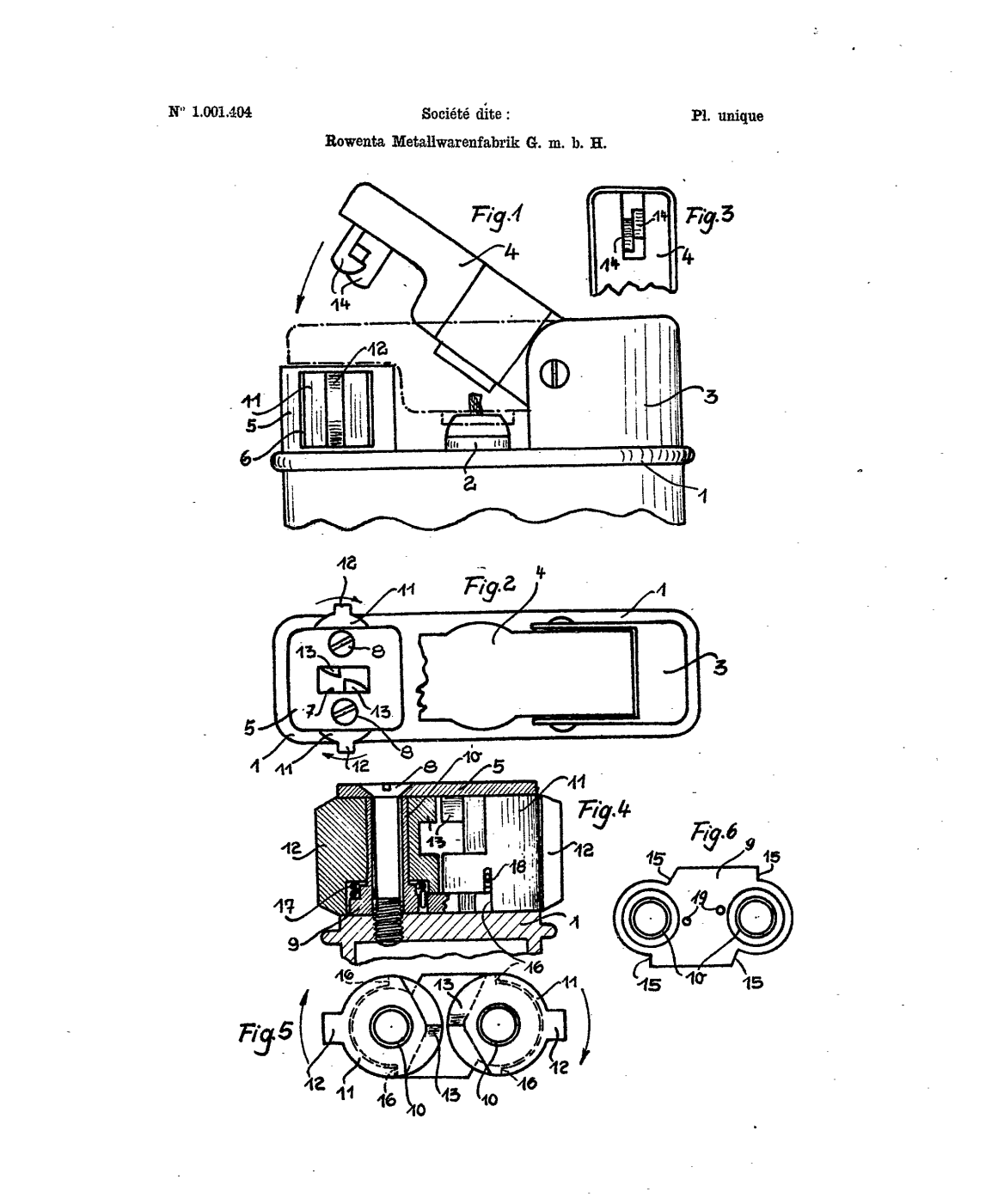
GermanyPatent1946Year
Patent No.:No. 1.001.404
Application Date:1946, 05 03
Registration Date:1952, 02 25
View details
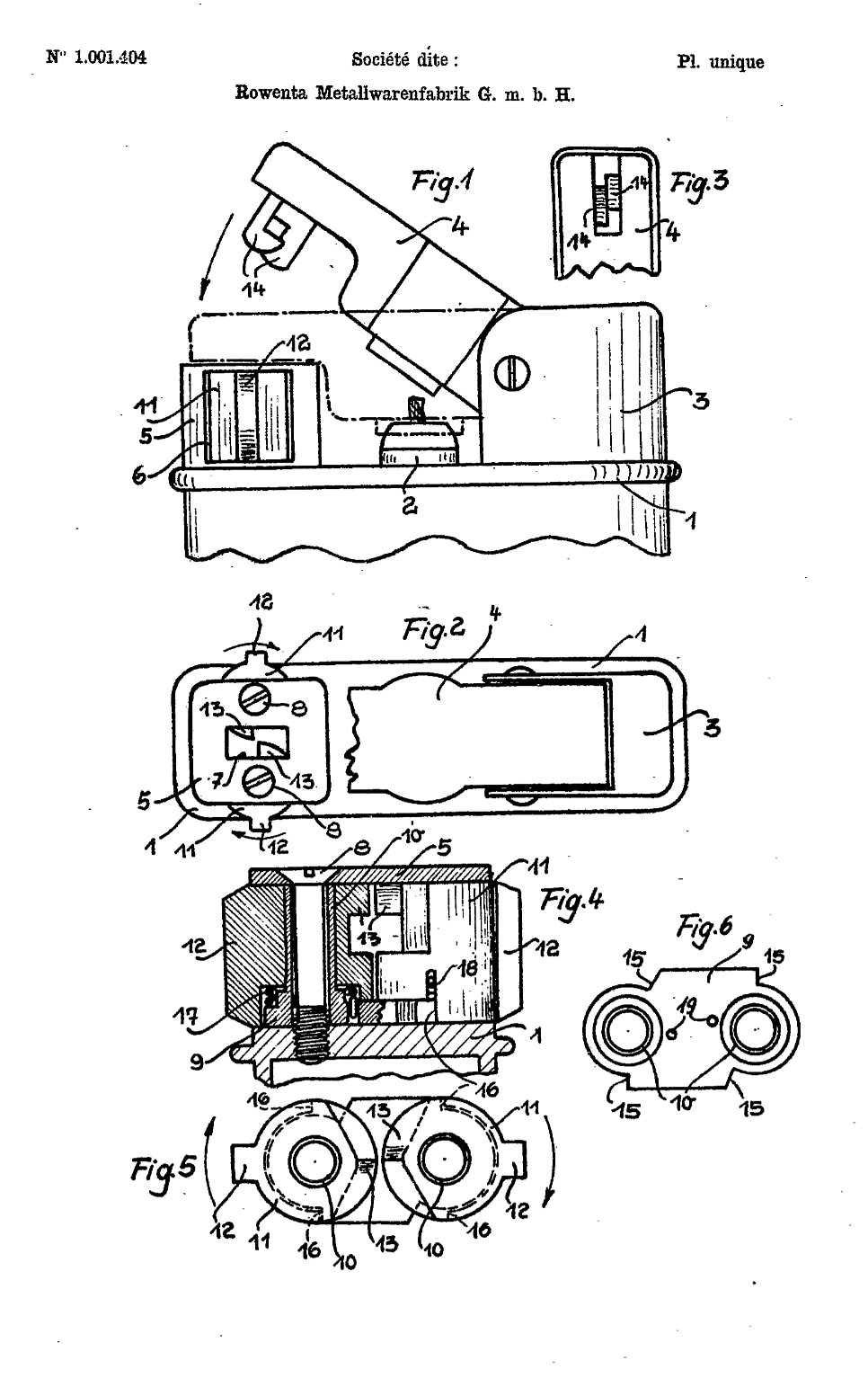
FrancePatent1946Year
Patent No.:EN 1001404 A
Application Date:1946, 05 03
Registration Date:1952, 02 25
View details
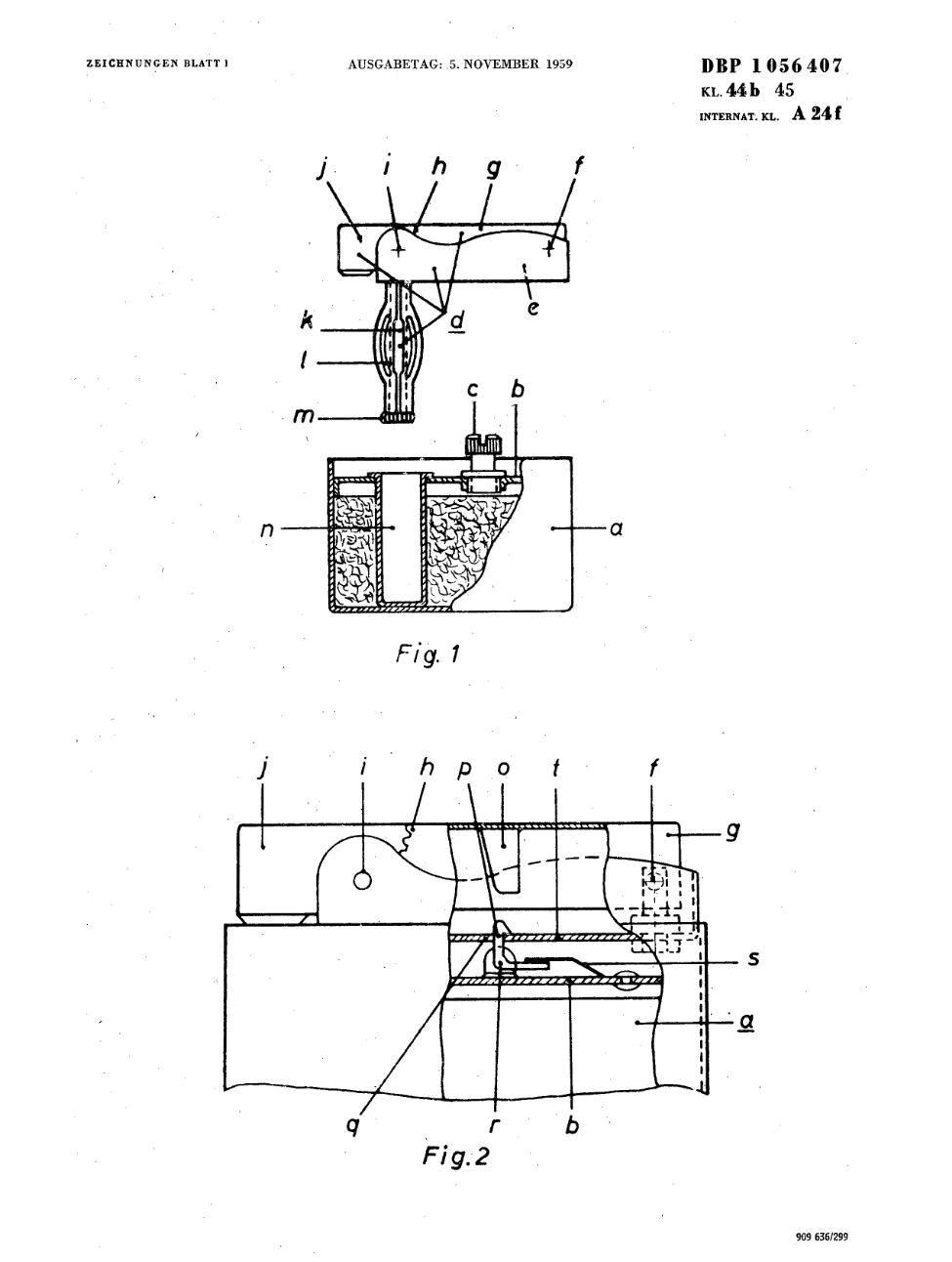
GermanyPatent1952Year
Patent No.:DE 1056407 B
Application Date:1952, 02 13
Registration Date:1959, 04 30
View details
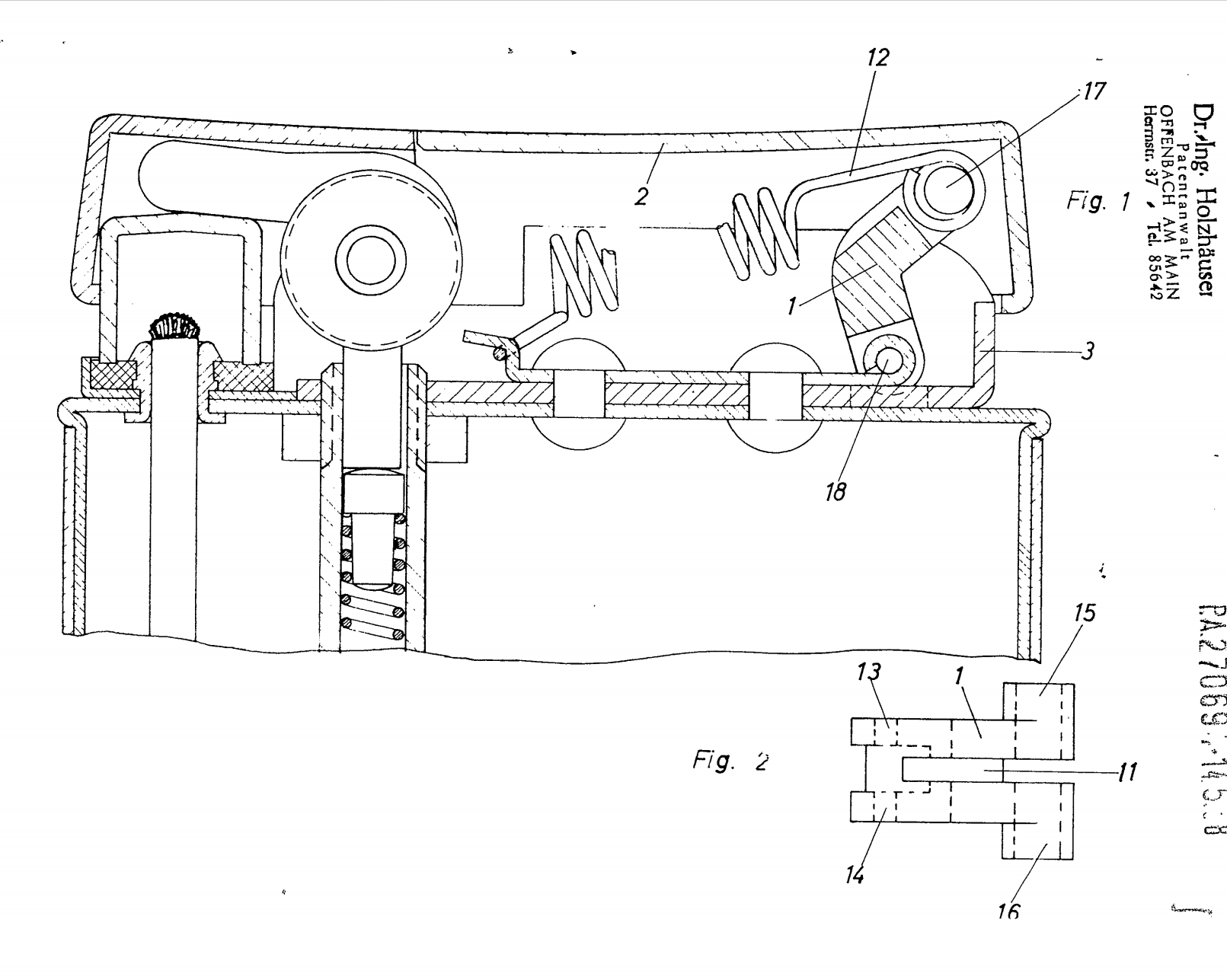
GermanyPatent1958Year
Patent No.:DE 1771304 U
Application Date:1958, 07 31
Registration Date:1958, 05 13
Ads & Articles
View AllNo ads or articles available for this brand.
Product Line
Lisbon
1948Press the button to deploy the lift-arm fire extinguisher cap, which triggers automatic ignition of the fire wheel. Manually close the cap to extinguish the fire.
1952
SNIP
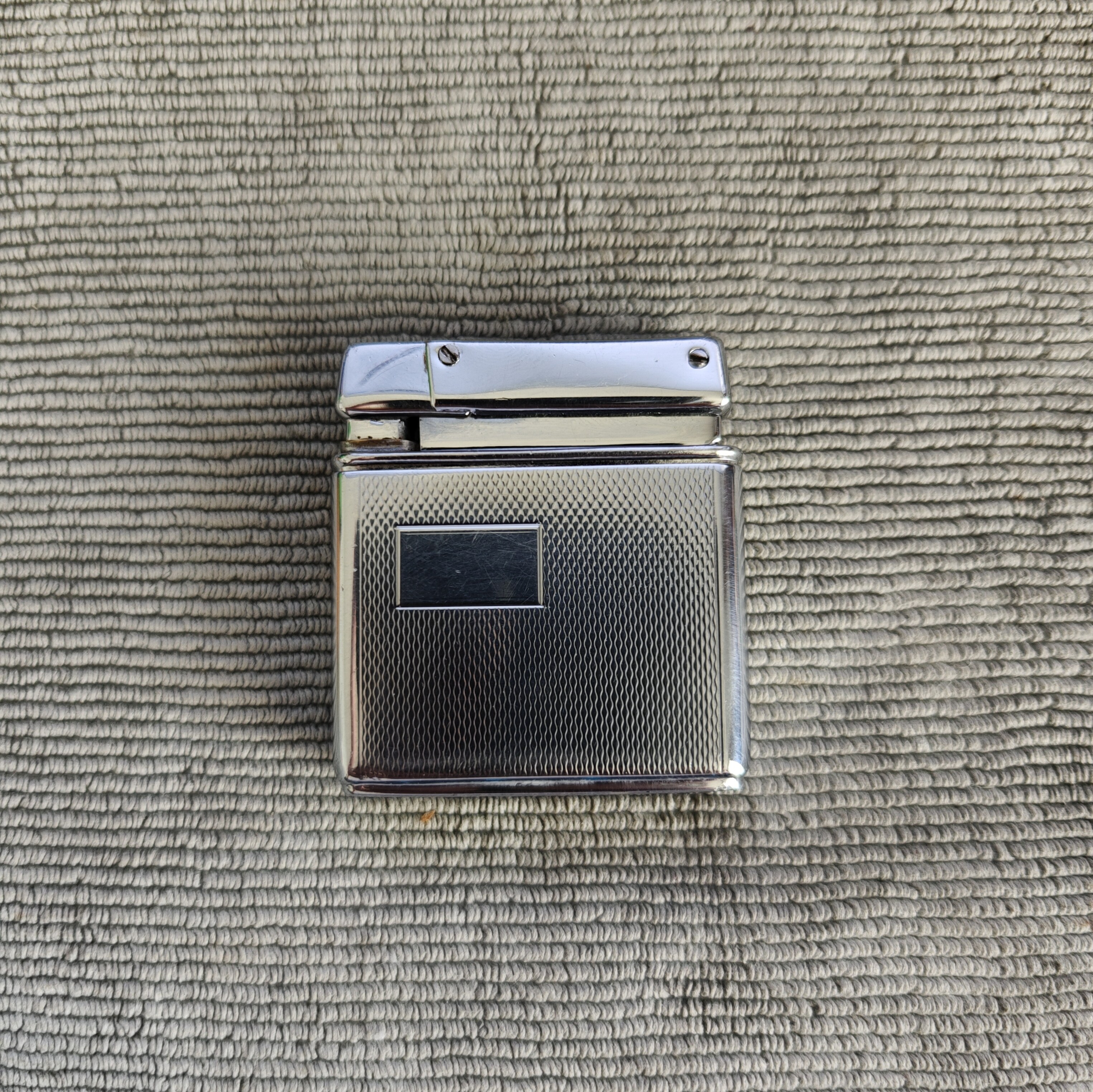
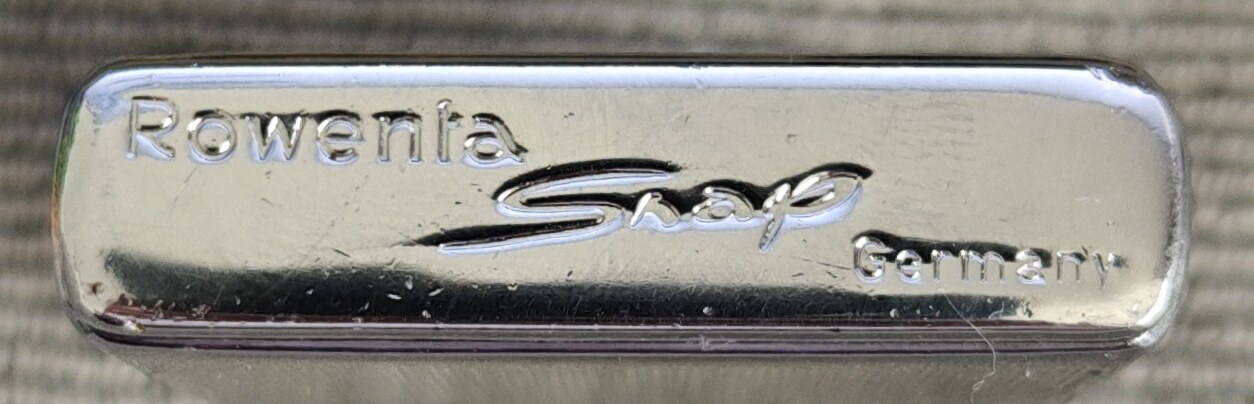
1952Detachable lighter head with a separate fuel tank. Interestingly, this patent was filed in 1952 but never granted. During that period, the design was modified and produced for a time as the SNAP series until the patent was officially registered in 1959, marking the end of SNAP series manufacturing.
SNAP
1958This model is a simplified version of the ROWENTA SNIP series, produced only from 1958 to 1959.