Chinese Name
Dunhill
Country
United Kingdom
Manufacturer
Alfred Dunhill Ltd.
Year Founded
1893 year
DUNHILL
Brand Introduction
Milestones
Early Days of Automotive Accessories and Smoking Implements (1893 – 1919)
In 1893, Alfred Dunhill inherited his father's saddlery workshop. As automobiles became widespread, he wisely pivoted to "Dunhill’s Motorities," a brand dedicated to producing driver goggles, leather jackets, and car-mounted smoking accessories. In 1907, he opened London's first premium tobacco shop on Duke Street, officially launching his custom trade in high-end pipes and smoking accessories.The Arm Revolution and the Golden Age of Global Tech Monopoly (1920 — 1939)
The 1920 decade was the golden era when Dunhill rewrote the history of world lighters. In 1923, Dunhill launched the groundbreaking Unique series, the first commercially successful "one-hand pocket lighter" in human history. During this period, backed by substantial capital, Dunhill aggressively acquired patents and forged cross-border technical partnerships across Europe. Beyond its own R&D, it acquired, licensed, or even rebranded top-tier products from other countries (such as the German KASCHIE candlelighter and certain THORENS models from Switzerland), quickly monopolizing the global high-end fully automatic and semi-automatic lighter markets.Crossing with the West German and Swiss lines during wartime special edition (1940–1949)
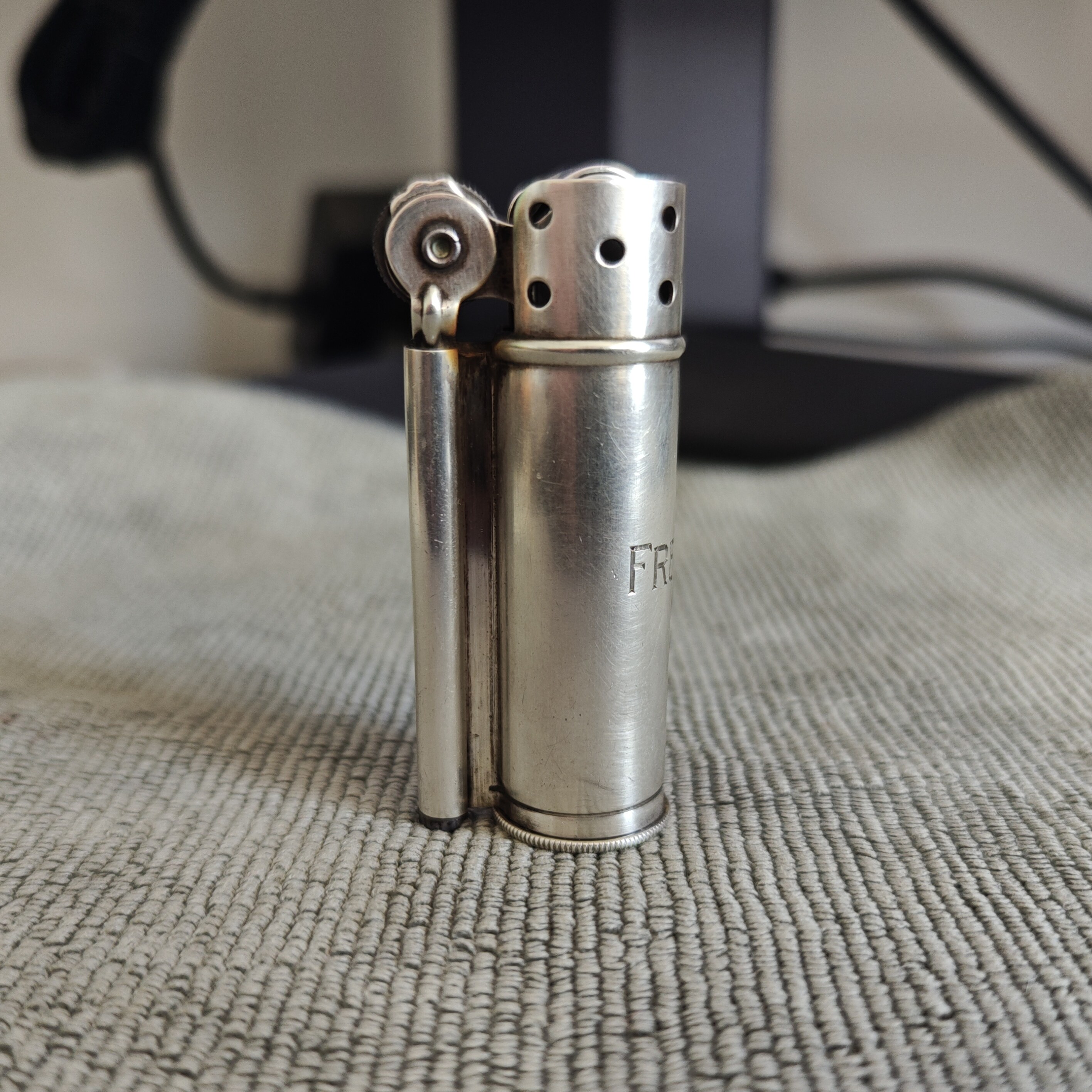
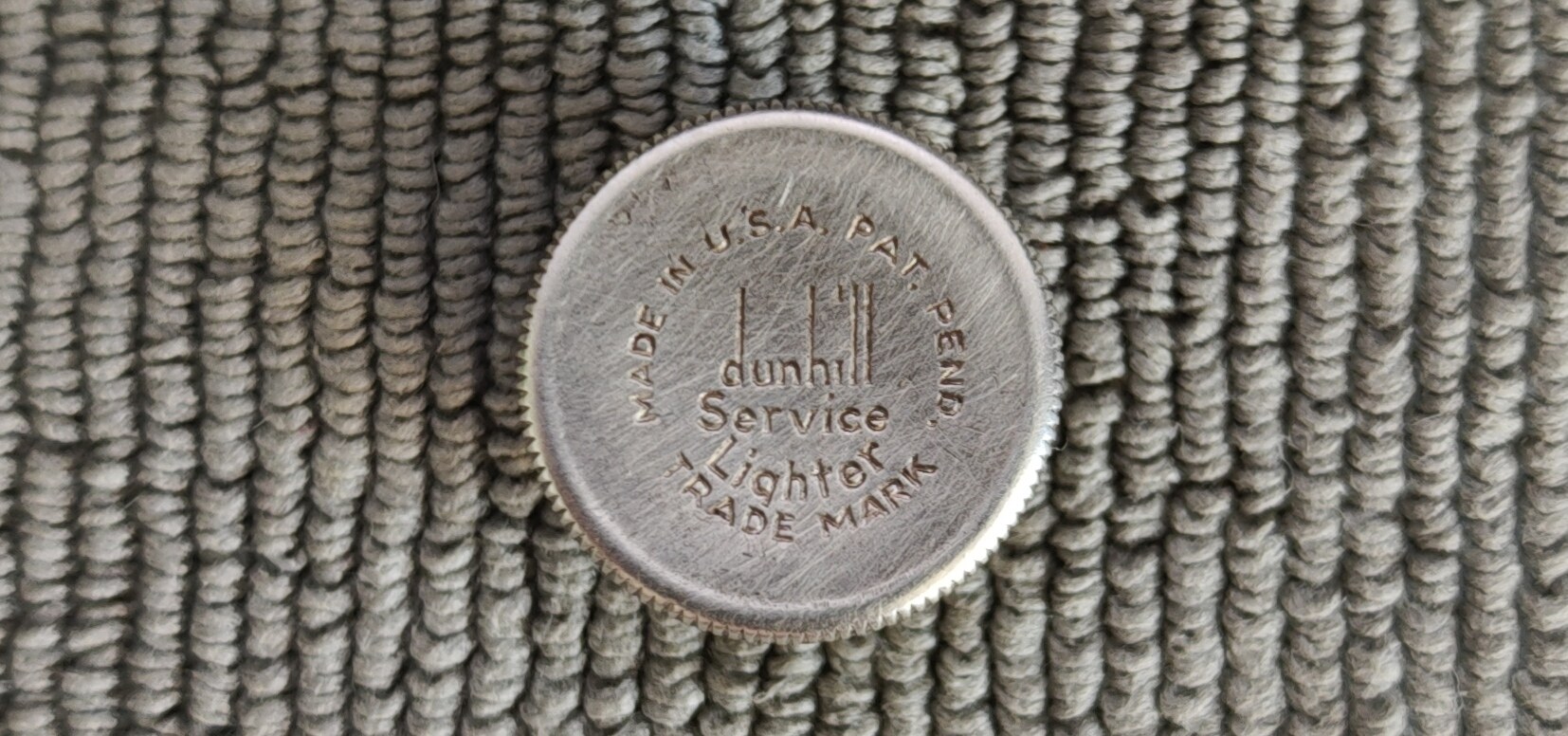
During World War II, strict controls on brass and precious metals in the UK forced London factories to use stainless steel for rugged military lighters, such as trench models featuring distinctive large "blind" rollers. After the war, Dunhill restructured its supply chain across West Germany, Switzerland, and France to rapidly restore production capacity, manufacturing numerous classic models bearing the mark of this multinational collaboration, including the Service campaign series.The Era of the Wheel and the Glory of the World's First Gas Engine (1950s — 1980s)
In 1956, Dunhill once again dominated the industry by launching the world's first mass-produced premium butane lighter: the DUNHILL Rollagas. This design completely ended the reign of gasoline lighters. Over the following decades, the Rollagas became the standard accessory for global political and business leaders and Hollywood stars, featuring French lacquer finishes, 118K solid gold, and inlays of various rare gemstones.Strategic Restructuring and Continuation of Modern Craftsmanship (since the 1990s)
As the global luxury market undergoes a major restructuring, Dunhill has been fully integrated into Richemont, the world's third-largest luxury group. Unlike other brands that have completely discontinued their smoking accessories lines, Dunhill continues to produce its premium lighters—the Rollagas series—keeping this century-old mechanical artistry alive in workshops across the UK and Switzerland.
Brand Patent
View All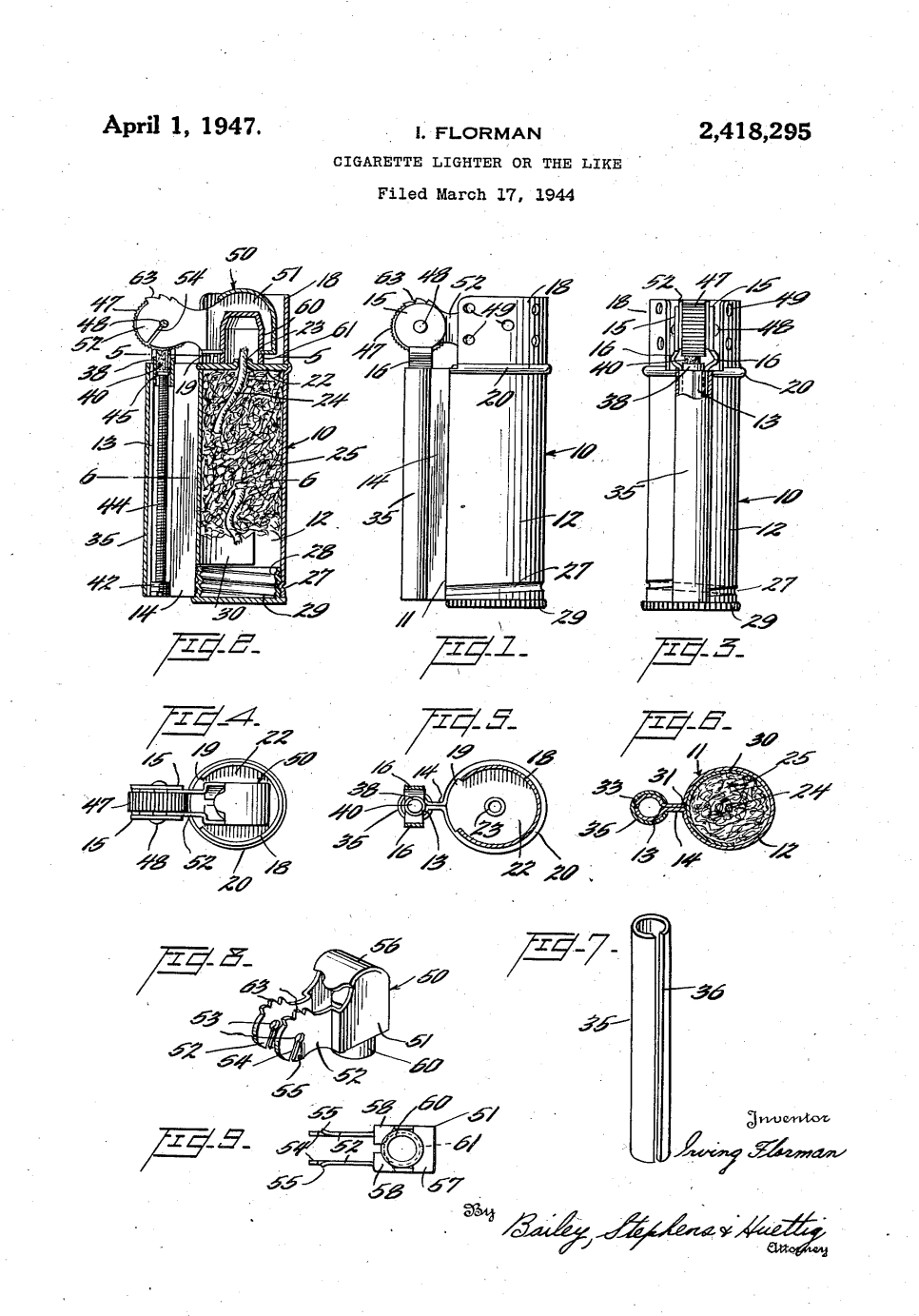
Ads & Articles
View AllNo ads or articles available for this brand.
Product Line
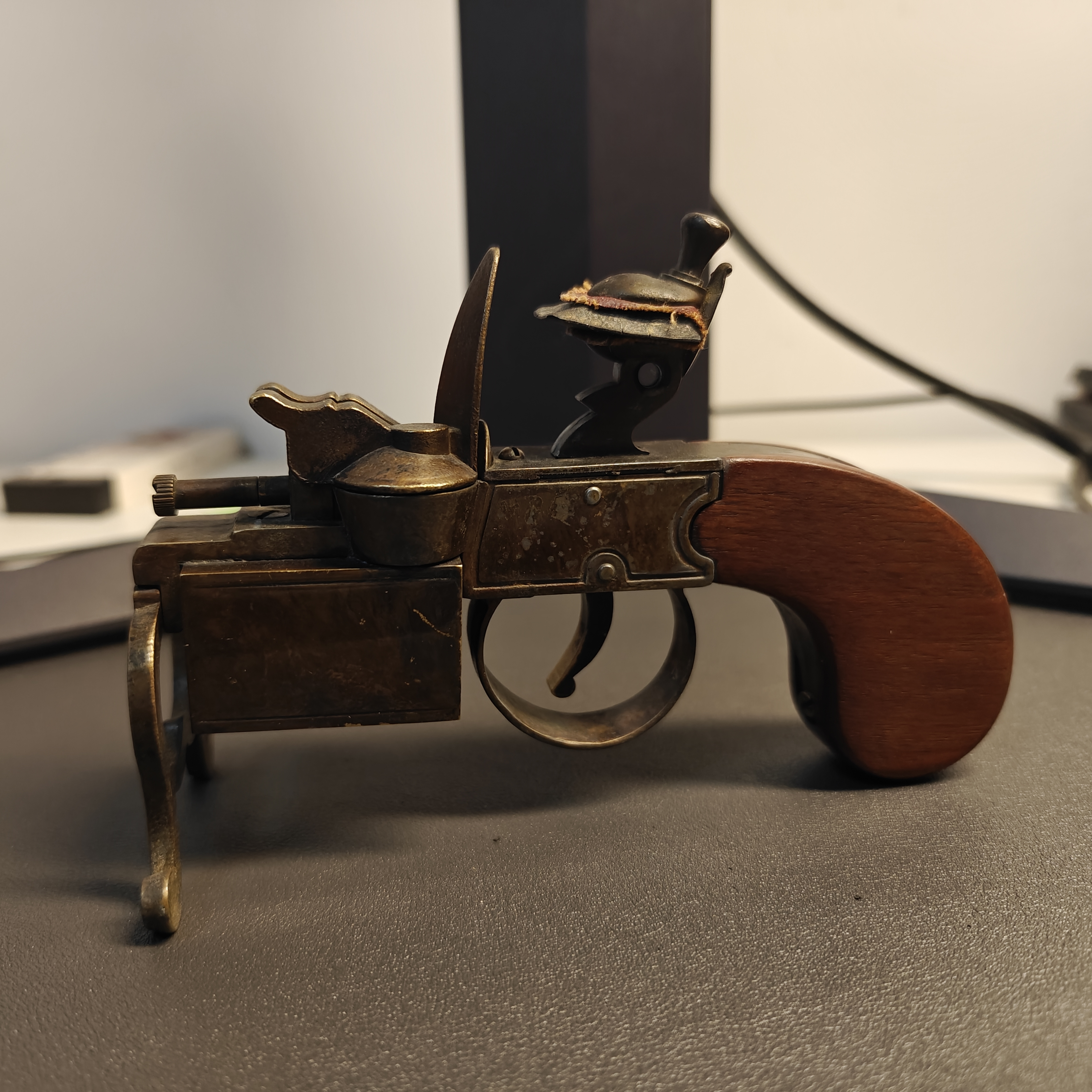
Tinder Pistol
1936-19601 Series: Original Purpose
A modern reinterpretation of the flintlock tinder box pistol used by European nobility in the 17 and 18 centuries, reimagined as a vintage-style kerosene table lighter. With its antique firearm-inspired design, it serves both functional and decorative purposes—perfect for lighting cigars or large-format cigarettes on your desk while adding a classic touch to your study or reception area.
2. Target Audience
Premium tobacco enthusiasts in Europe and the Americas: cigar aficionados and pipe players; designed for fixed placement on living room or study desks.
Luxury Gift Market: Souvenir gifts for European and American business and aristocratic circles in the 30–50 decades;
Antique collectibles enthusiast specializing in vintage firearms and smoking accessories.
3. Patent Date
UK Infrastructure Patent: Filed in 1934, Patent No. 19273/34 (engraved on the bottom of the UK-native unit);
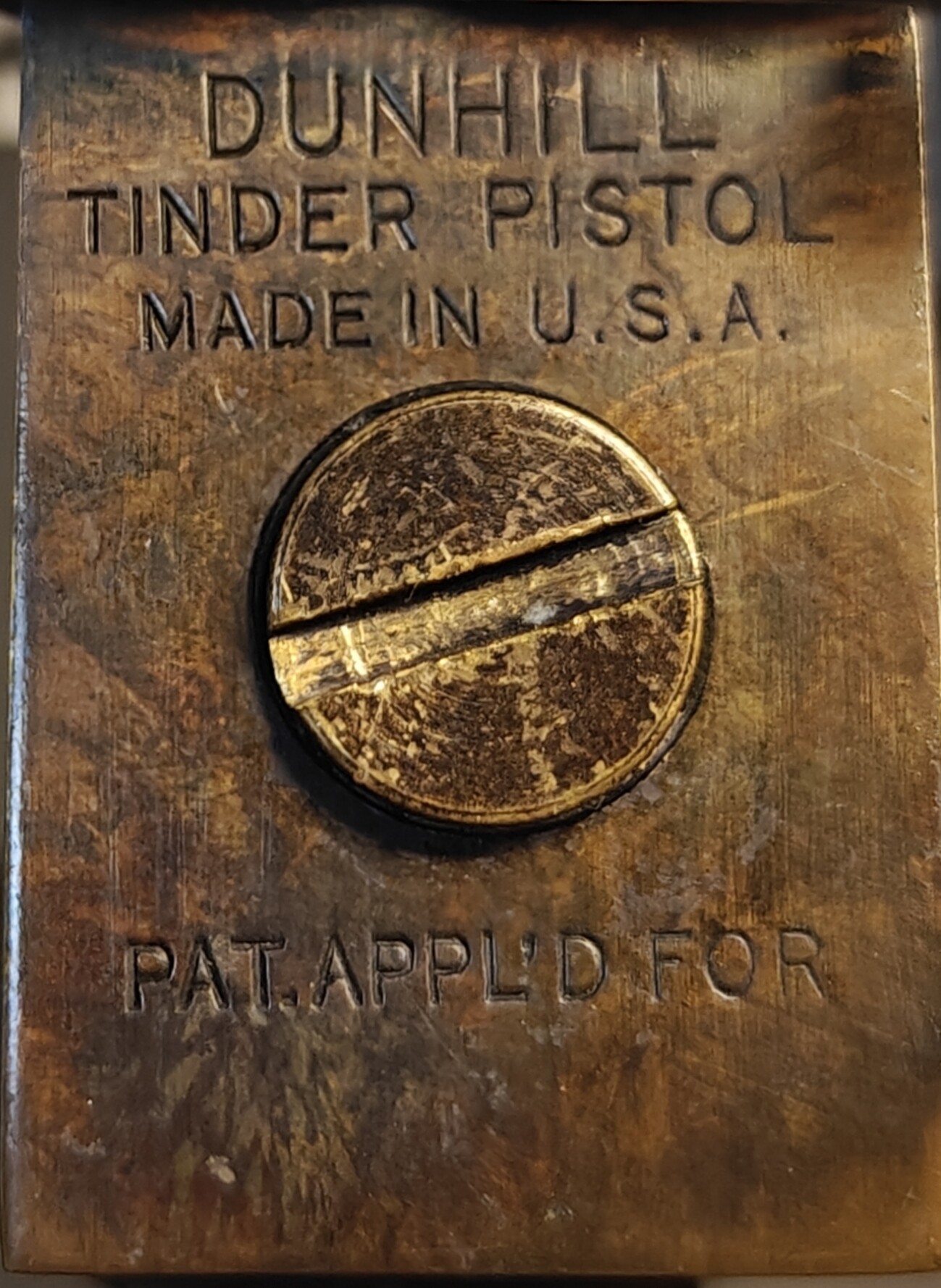
US Contract Manufacturing Patent Application: US patent filing initiated in 1936. At this stage, the bottom of the machine manufactured in the US is engraved with "PAT. APPL'D FOR" (Patent Pending), which appears as a standard marking on this unit.
US Patent Officially Granted: 1947 US 592139. Full patent number stamp to be applied to US-manufactured models after 1947 years.
4. Key Design and Structural Features
Appearance
Overall design inspired by the flintlock pistol of the 17 century, featuring an integrated curved stand for stable desktop placement;
Approx. 15cm (L) x 9cm (H); Desktop, large-format model—distinct from portable pocket devices.
Solid walnut stock and grip; metal with antique brass finish.
Side strap with rotatable knob and built-in spare flint compartment; bottom oil reservoir with single slotted screw for easy removal and kerosene refilling.
Internal Patent Linkage Structure
Trigger pull lifts the lever, swinging the flint striker forward to strike and spark against the flint wheel. Simultaneously, the flip cover opens to expose the wick; the spark ignites it. Releasing the trigger resets the mechanism, closing the cover and extinguishing the flame. A single spring assembly drives all movements for a stable, durable design featured in "1000 Feuerzeuge" as a classic desktop linkage mechanism.
5. Full production cycle
Manufactured from 1936 to 1955;
USA-manufactured version: 1936–1940 (Patent Application Pending), 1941–1960 (Full US Patent Number)
All models have been permanently discontinued for 1960 years with no plans to resume production.