Return Brand List
Chinese Name
EbiLife
Country
Germany
Manufacturer
J. & B. Lowenthal
Year Founded
1920 year
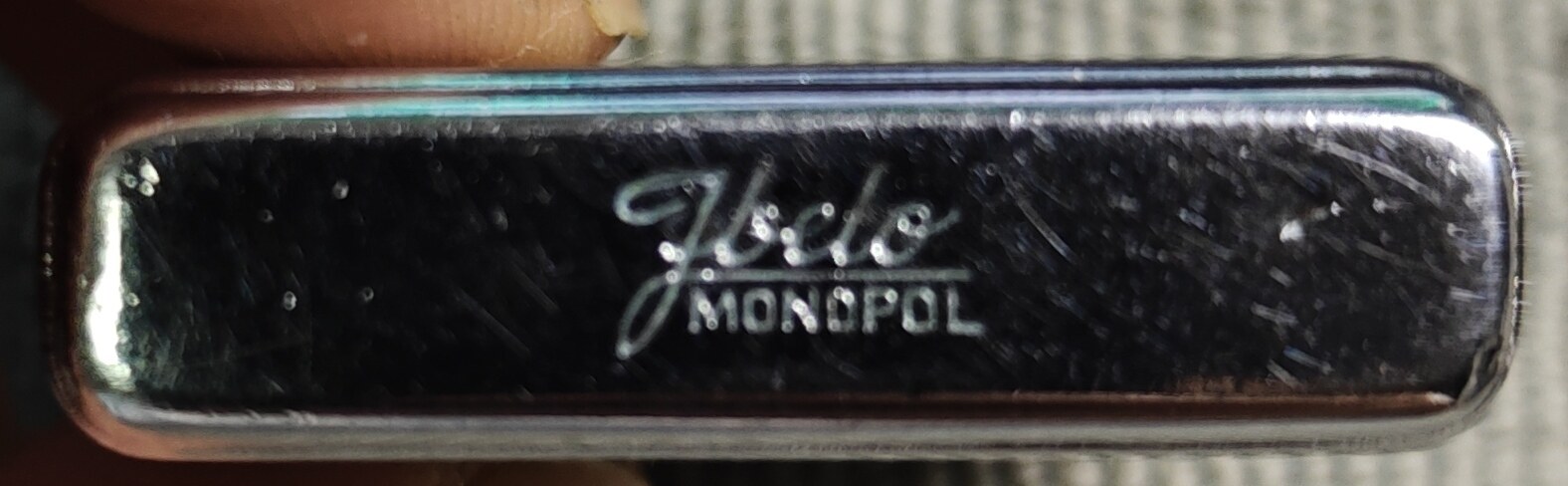
IBELO (JBELO)
Brand Introduction
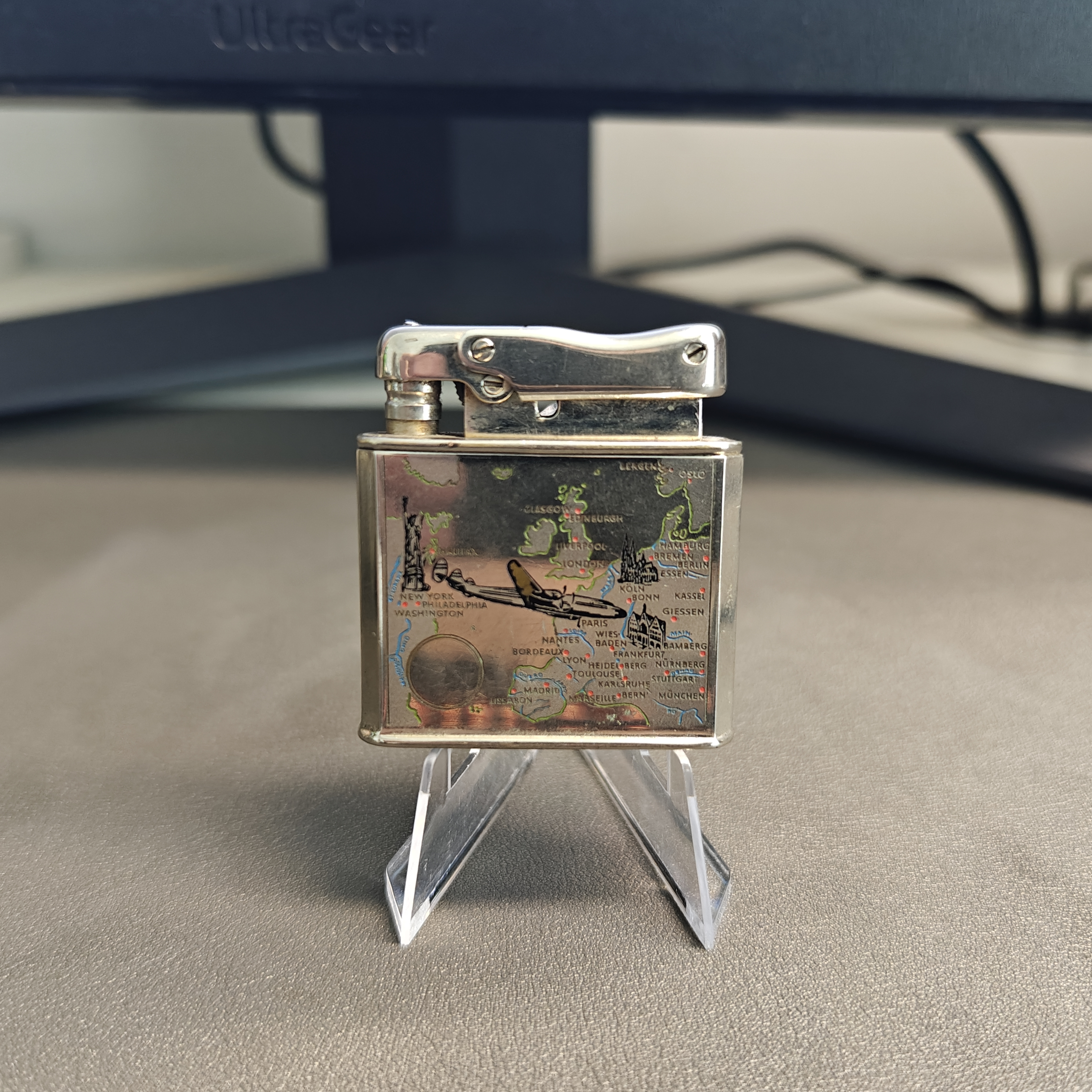
IBELO (often misread as JBELO) is a preeminent European dynasty of mechanical and gas lighters from the 20th century, founded by brothers Julius Löwenthal and Benno Löwenthal in 1920.
The brand commands a dominant position in global lighter history. It is not only Germany's flagship for fully automatic lighters but also the original manufacturer and technological cradle in continental Europe for the legendary British lighter giant "Colibri." Renowned for its precision German linkage mechanism, premium materials (including sterling silver, fine leather, and porcelain), and the world's first patent-protected visible nylon fuel chamber, IBELO is revered in the collector community as the pinnacle of West German craftsmanship.
Milestones
1. Brothers' Entrepreneurship and the Birth of "Colibri" (1920–1927)
In 1920, brothers Julius and Benno founded the J. & B. Löwenthal workshop in Frankfurt, initially producing metal cigarette cases and fine hardware. As their technical expertise grew, they decided to enter the mechanical lighter market. To break the British and American monopoly on lighter technology, the brothers spent years plotting and finally developed a revolutionary semi-automatic ignition system in 1927, naming it the "Colibri Original."
2. Brand Split, Global Expansion, and Political Turmoil (1928–1945)
By 1928, following Colibri's unprecedented success across Europe, the Löwenthal brothers launched an international expansion strategy: Julius moved to London to establish the UK Colibri company, while Benno relocated to Switzerland before also moving to Britain. The original factory in Frankfurt was handed over to family members and officially rebranded as IBELO, commercializing the initials of the two brothers' names.
During the 1930s, IBELO introduced the world-famous Monopol fully automatic series. However, on the eve of World War II, due to the Löwenthal family's Jewish heritage, the Frankfurt factory faced brutal political persecution and forced "Aryanization" by Nazi Germany. The facility was requisitioned for military parts production (and briefly manufactured Stormguard military windproof gasoline engines for Allied and domestic use near the war's end).
3. Post-War Reconstruction in the U.S. Zone and the Golden Era of Divided Germany (1946–1970s)
After World War II, the Frankfurt factory was taken over by U.S. forces amidst the ruins. Starting in 1948, the West German economic miracle took off, and the UK Colibri and Frankfurt IBELO re-established family-based technical sharing and cross-licensing agreements. During this period, IBELO released numerous classic designs. Because Frankfurt was under U.S. jurisdiction, products from the West German factory bore the special stamp "Made in U.S. Zone Germany," later transitioning to "W.Germany." In the 50-60s, IBELO became the preferred gift choice for European politicians and business leaders, thanks to its superior gas-powered technology and ultra-luxury desktop lighters.
4. The End of the Gas Revolution and the Brand's Final Curtain (1980s–Present)
Entering the 20s 80s, IBELO—committed to high-cost, handmade manufacturing in West Germany—saw profits plummet due to cost-cutting pressure from Japanese electronic movements and the global flood of disposable plastic lighters. The company ultimately closed its Frankfurt factory in the late 20s 80s (around 1988 years ago), ceasing all lighter production. This name has since become an immortal legend in the history of vintage lighters.
Brand Patent
View All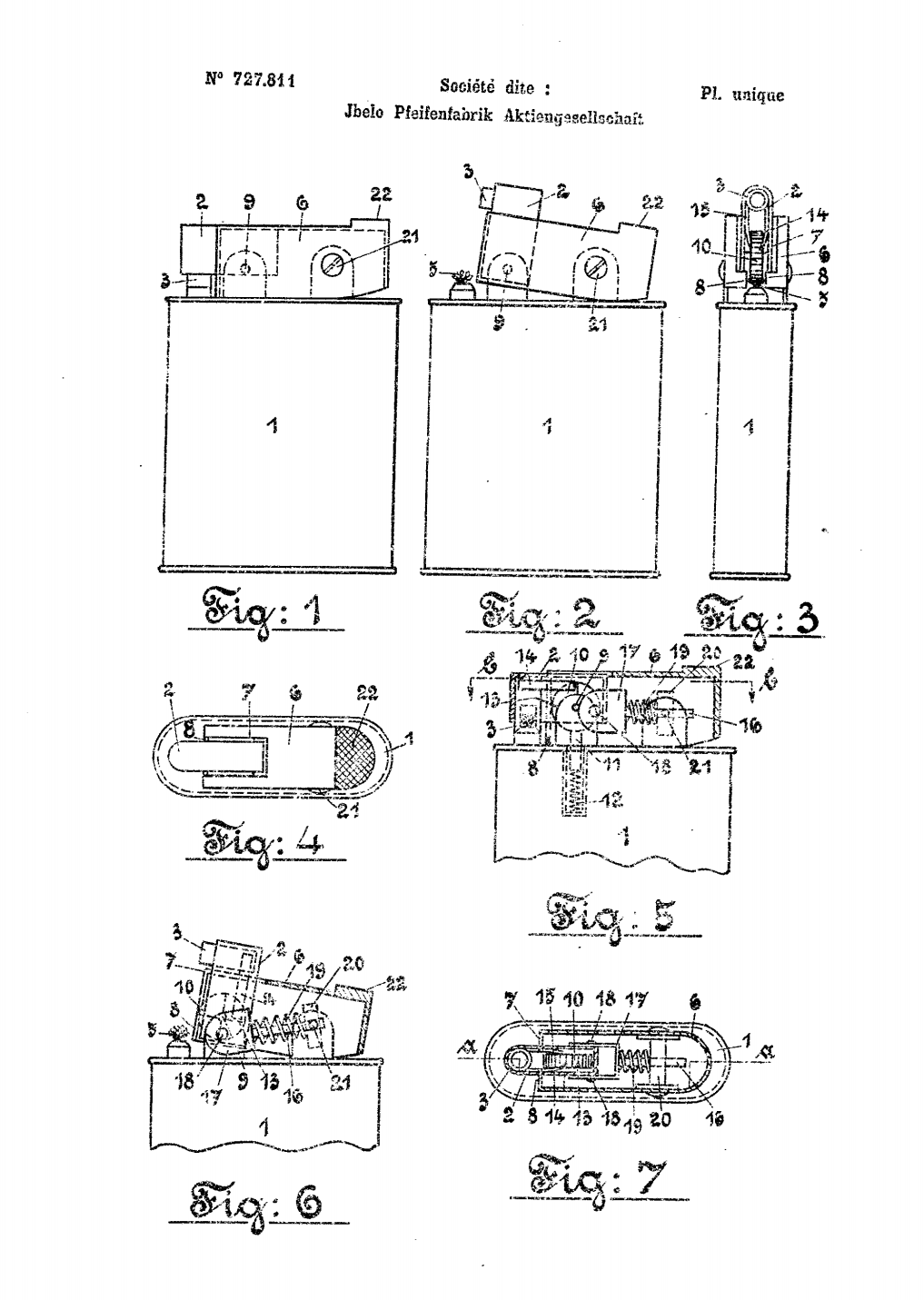
Ads & Articles
View AllNo ads or articles available for this brand.