Return Brand List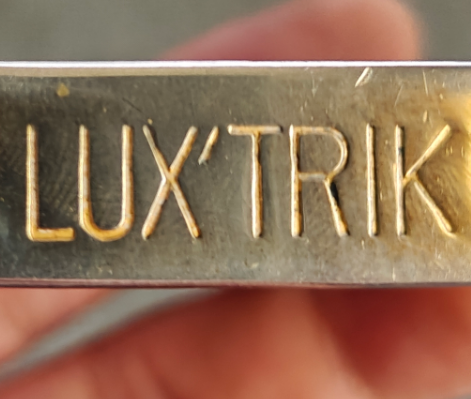
Chinese Name
Lecktrik
Country
France
Manufacturer
Lux-Trik Metalware Factory GmbH
Year Founded
1946 year
LUX'TRIK
Brand Introduction
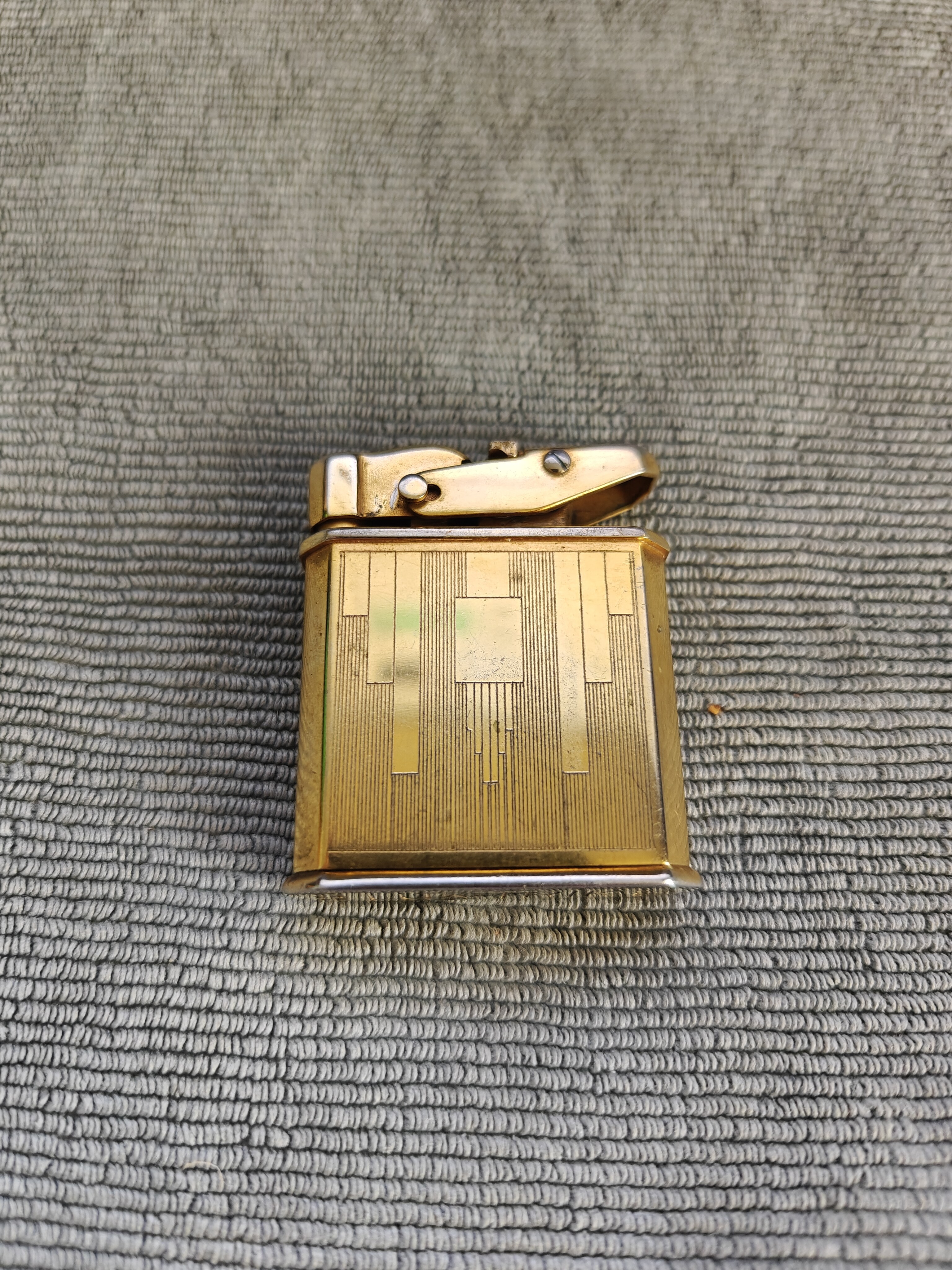
LUX'TRIK is a premier European brand of fully automatic pocket gasoline lighters from the late Weimar Republic to early West Germany, representing high-end craftsmanship in Western Europe during the 20 century, specifically between the 30 and 50 decades. The name LUX'TRIK is a compound of "Lux" (Latin for "light") and "Trik" (German for "clever mechanism"), symbolizing "a clever mechanical device that produces light."
In the world of antique lighter collecting, LUX'TRIK holds an esteemed position. Rather than targeting the mass market with affordable options, it focused on highly specialized segments: premium business use and luxury custom orders. Renowned for its seamless, one-piece stamped stainless steel body, exceptional mechanical durability, and instantly recognizable "sliding rail full-auto mechanism," LUX'TRIK stands as a classic example of German precision metalworking from this era.
Milestones
1. Precision Metalcraft Origins & Cross-Over to Tobacco Tools (Mid-1920 — 1934)
In the mid-to-late 1920, Lux-Trik Metalworks was established in Offenbach, near Frankfurt. Leveraging the region's advanced metallurgy and mold-making industries, the factory initially produced premium metal business card cases, cosmetic mirrors, and high-precision spring components for major European tobacco brands. Through this work, the facility mastered advanced metal plating and precision stamping technologies.
2. Technical Breakthroughs & The Golden Age of Automation (1935 — 1939)
Around 1935, the factory developed its most iconic automatic ignition mechanism and officially registered the LUX'TRIK trademark. Known for its fuel versatility (capable of igniting even high-proof alcohol during gasoline shortages) and a crisp, satisfying snap action, it quickly became a sensation among Germany's and Europe's elite business circles. At its peak, its market share rivaled that of Germany's IBELO.
3. War-Time Suspension & Devastation (1940 — 1945)
Following the outbreak of World War II, civilian goods and precious metals came under strict Nazi control. Located in Germany's industrial heartland, the Lux-Trik factory suffered catastrophic physical damage during intense Allied bombing raids, forcing a complete halt to production.
4. Reconstruction in the U.S. Zone & Revival (1947 — Late 1950)
After WWII, Offenbach fell within the U.S. Occupation Zone. Starting in 1947, the factory艰难ly reorganized amidst the ruins to resume operations. To secure vital foreign currency and cater to the U.S. military market in Germany, LUX'TRIK experienced a post-war resurgence. Lighters from this era are distinctly marked with "Made in U.S. Zone Germany" or "Western Germany."
5. Brand Discontinuation Amidst Industry Shifts (Early 1960)
Entering the early 20s, the rise of butane gas technology and the surge of low-cost Japanese plastic disposable lighters caused the market for expensive, mechanically complex metal gasoline lighters to shrink rapidly. Unable to successfully pivot to lower-cost automated gas production lines and still recovering from wartime losses, LUX'TRIK officially ceased all production around the early 1960s (circa 1962), marking the brand's final exit from history.
Brand Patent
View AllThis brand has no patent information.
Ads & Articles
View AllNo ads or articles available for this brand.
Product Line
This brand currently has no product series.