Return Brand List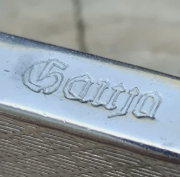
Chinese Name
High-pressure heater
Country
Soviet Union
Manufacturer
Riga Jewelry Factory
Year Founded
1965 year
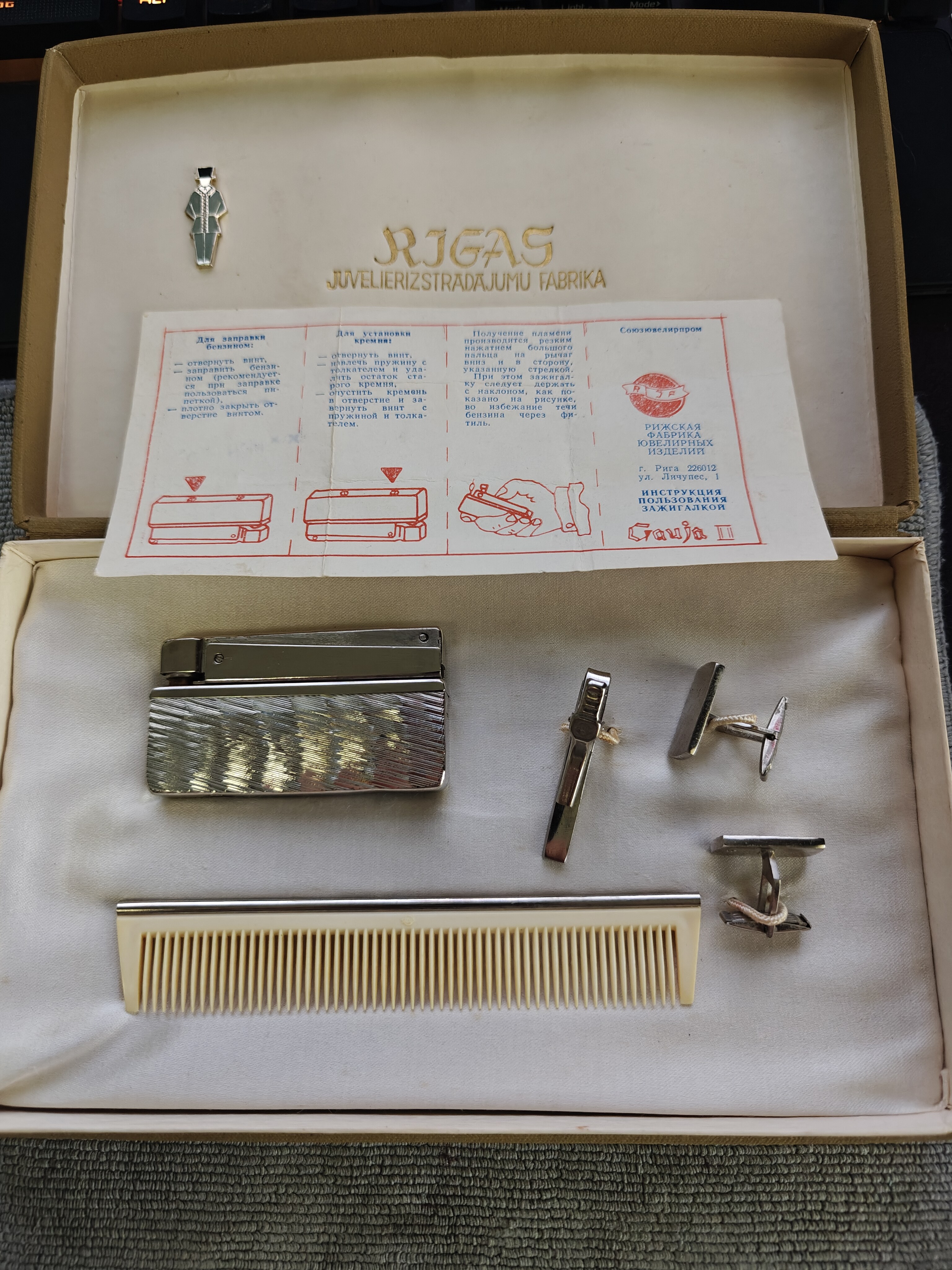
GAUJA
Brand Introduction
GAUJA (Гауя) was launched in the 20 century, 60s decade. It stands as the pinnacle of Soviet light-industry mechanical smoking tools from the mid-to-late Cold War era, renowned for its top-tier specifications and exquisite craftsmanship as a "state gift" item.
While Soviet lighters were typically produced by military factories using scrap materials (such as the famous Ogonek series), resulting in a rugged finish, GAUJA is exceptionally rare: it was manufactured by a national-level jewelry and precious metals factory. Featuring heavy-duty alloy plating, iconic resin/plastic body panels with a distinct Mid-Century Bauhaus aesthetic, and a fully automatic mechanical ignition that rivals West German engineering standards, GAUJA became a favorite among high-ranking Soviet officials, foreign diplomats, and long-haul sailors.
Milestones
1. Establishment of the Riga Hardware and Jewelry General Plant (Late 1940s – 1950s)
Following World War II, Latvia was incorporated into the Soviet Union. As a key hub for industry and precision craftsmanship on the Baltic coast, the state nationalized numerous high-end gold and silver workshops and electroplating factories in Riga. These were consolidated to form the renowned "Riga Jewelry Plant" (РЮЗ), which primarily produced sterling silver tableware, prestigious medals, and luxury precious metal jewelry for the Soviet elite.
2. Consumer Technology Advancements Behind the Iron Curtain and the Birth of GAUJA (1960s – 1970s)
During the early years of Khrushchev and Brezhnev's leadership, the Soviet Union launched initiatives to raise the material living standards of the working class. Leveraging its superior mold-making and electroplating capabilities across the entire USSR, the Riga Jewelry Plant expanded into high-end consumer goods for men. Drawing inspiration from West German mechanical designs, engineers developed this rectangular gasoline/cotton-oil lighter with a large side lever in the mid-1960s. To celebrate strong Latvian national pride, the lighter was named after the Gauja River—the longest and most scenic river in Latvia—and launched nationwide.
3. Peak Era: Foreign Currency Revenue and Shifting Aesthetics (Late 1970s – Mid-1980s)
Entering the 1980s, GAUJA reached its sales zenith. It was not only sold at a premium in limited quantities at Moscow and Leningrad's "Beryozka" stores—specialty shops accepting only foreign currency—to tourists but also released custom editions commemorating the Red Army anniversary and the 1980 Moscow Olympics, featuring the Olympic rings and bear emblem stamped on the casing.
4. Dissolution of the Union and End of a Legend (Late 1980s – 1991)
Amidst economic turmoil triggered by Gorbachev's reforms in the late 1980s and the formal dissolution of the Soviet Union in 1991, Latvia declared independence. Cut off from the vast Soviet market and facing raw material shortages and privatization pressures, the Riga Jewelry Plant permanently halted its lighter production line, retreating to focus solely on fine jewelry. Thus concluded the nearly 30-year red mechanical legend of GAUJA.
Brand Patent
View AllThis brand has no patent information.
Ads & Articles
View AllNo ads or articles available for this brand.
Product Line
This brand currently has no product series.