Return Brand List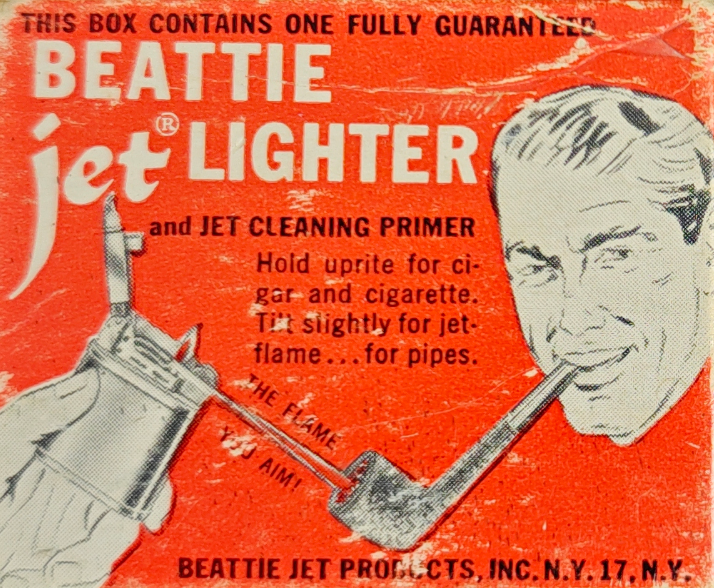
Chinese Name
Betty
Country
United States
Manufacturer
Beattie Jet Products, Inc.
Year Founded
1940 year
BEATTIE
Brand Introduction
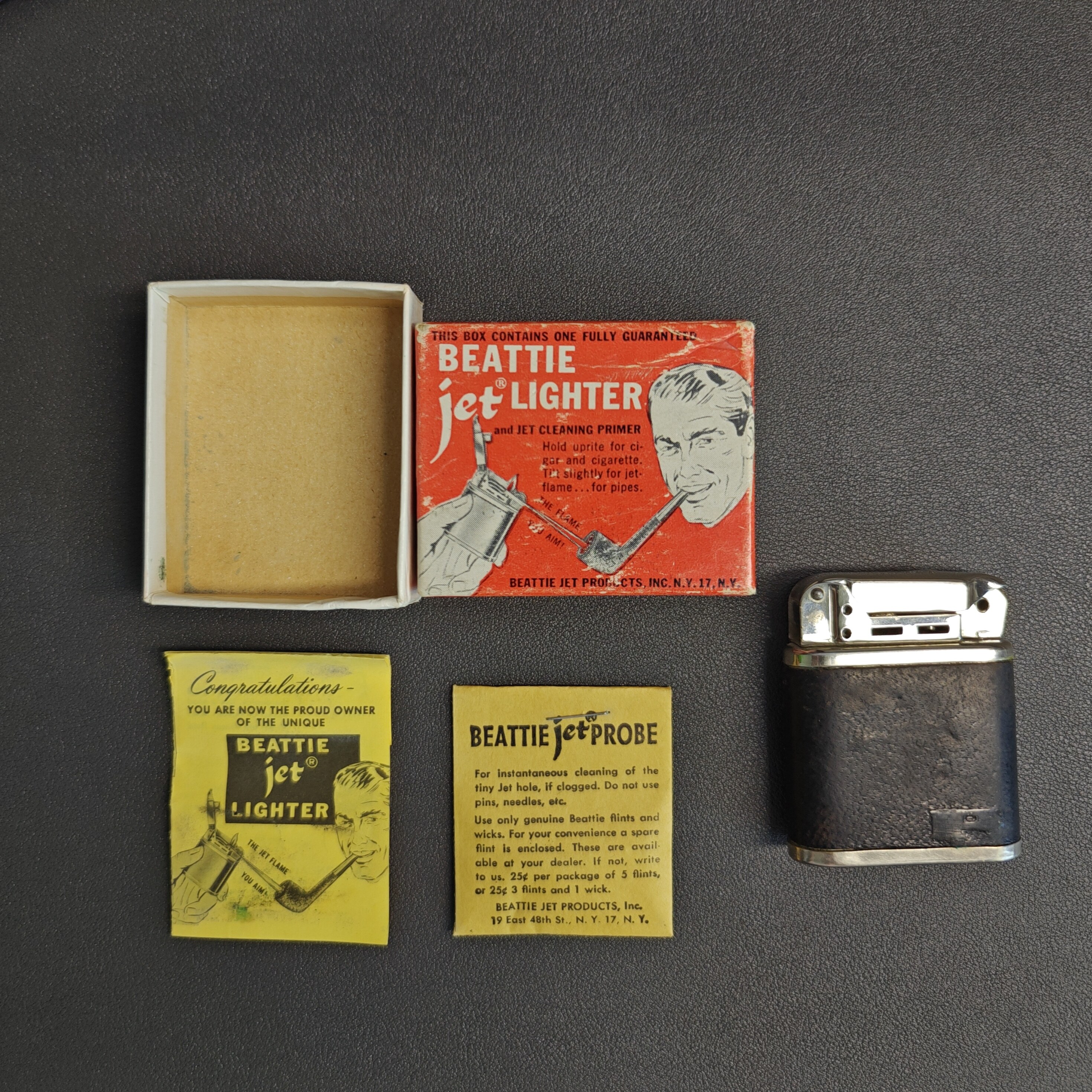
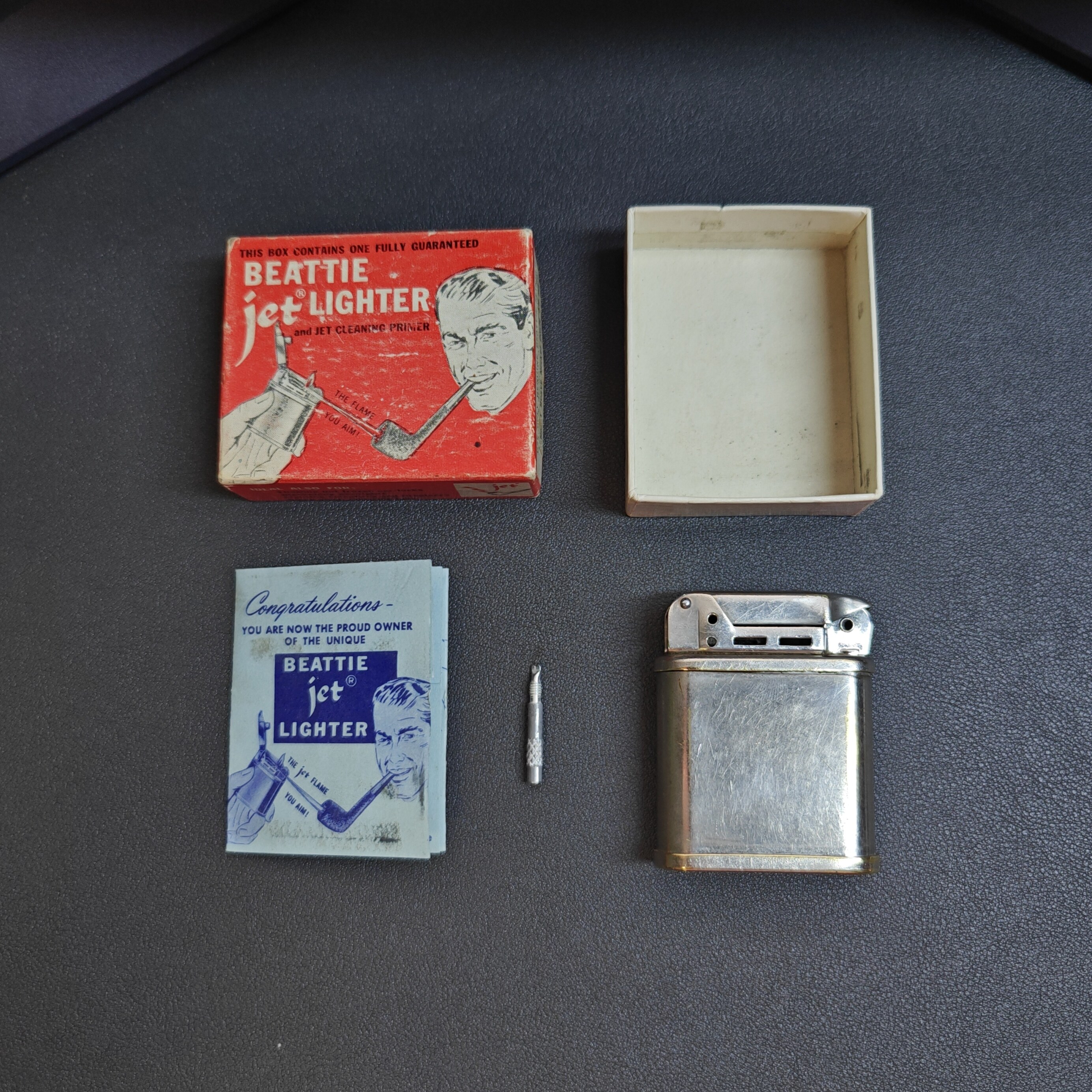
Beattie is the most iconic "Jet" lighter brand in the history of antique lighters. Born in the United States, it became a global phenomenon from the 201940s to the 1950s and was a legendary product designed specifically for pipe smokers.
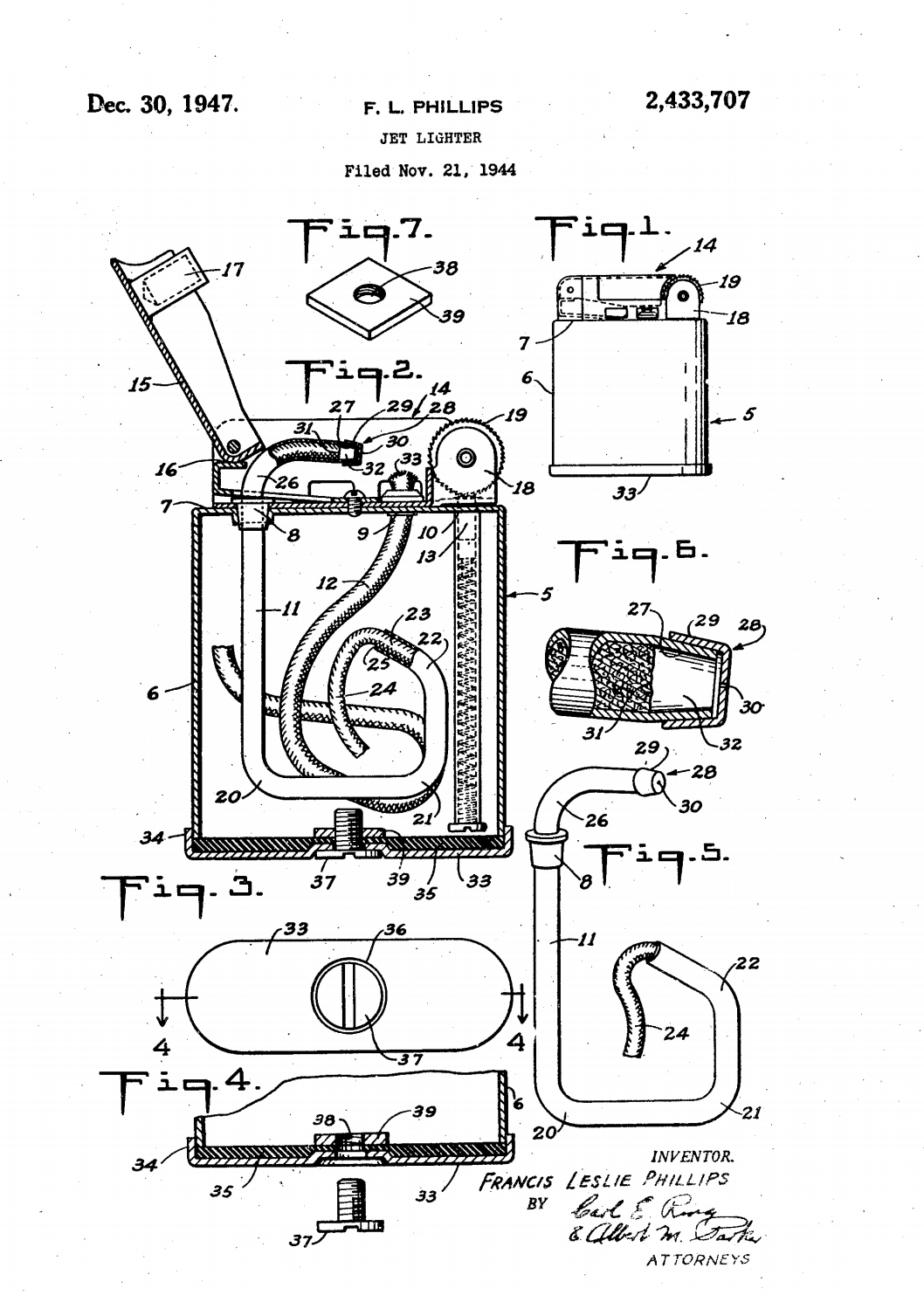
Unlike modern windproof lighters that rely on butane gas pressure, Beattie is a fuel-based (kerosene) lighter. It features a precision-engineered copper heat pipe. When lit upright, it produces a soft, ordinary flame. However, when tilted, the exposed copper tube heats up, rapidly vaporizing and expanding the fuel inside. Since the wick at the rear blocks the gas from flowing backward, the high-pressure fuel vapor is forced out through a tiny nozzle at the top of the copper tube. This creates a directional blue jet flame up to 2–3 inches long that reaches precisely to the bottom of the pipe without burning the user's fingers.
Interestingly, one model in my collection holds dual patents: its copper tube tip lacks a nozzle hole, yet it still produces a jet flame when tilted.
Milestones
Late 1.1930s – 1940: Founding and Early Production
The core technological concept of the Beattie brand was largely established by the late 30s. In 1940, the Beattie Jet lighter was launched in the U.S. market on the eve of World War II. Its innovative design, blending mechanical aesthetics with practicality, quickly captured the attention of high-end tobacco consumers.
2.1941 – 1945: Wartime Material Restrictions and Military Conversion
As the U.S. entered WWII, metals such as brass, chromium, and nickel became strategically controlled resources, severely limiting civilian lighter production. During this period, Beattie manufactured military versions featuring black anti-reflective or matte coatings, marked with early patent identifiers.
3.1946 – Mid-1950s: The Golden Era
Post-war, the term "Jet" became synonymous with advanced technology due to the rise of jet aircraft, propelling Beattie Jet into a sales phenomenon. The company introduced various case finishes, including Gold Filled, Sterling Silver, Leather Wrap (crocodile or pigskin), and customized engraving options. It became a staple for the American middle class and pipe smokers, gaining widespread popularity across post-war Europe and Asia (including among U.S. forces stationed in Japan and Korea).
Late 4.1950s – 1961: Decline and Discontinuation
By the late 50s, butane lighters led by French brands like Dupont, along with Japanese and European manufacturers, began to dominate the market. Butane lighters offered easy flame adjustment without complex physical heating mechanisms and eliminated the volatility and odor issues associated with cotton wicks. Beattie's mechanical jet system proved cumbersome in comparison. Consequently, Beattie Jet Products, Inc. ceased production of the line around 1961, marking its exit from the stage.
Brand Patent
View AllView details
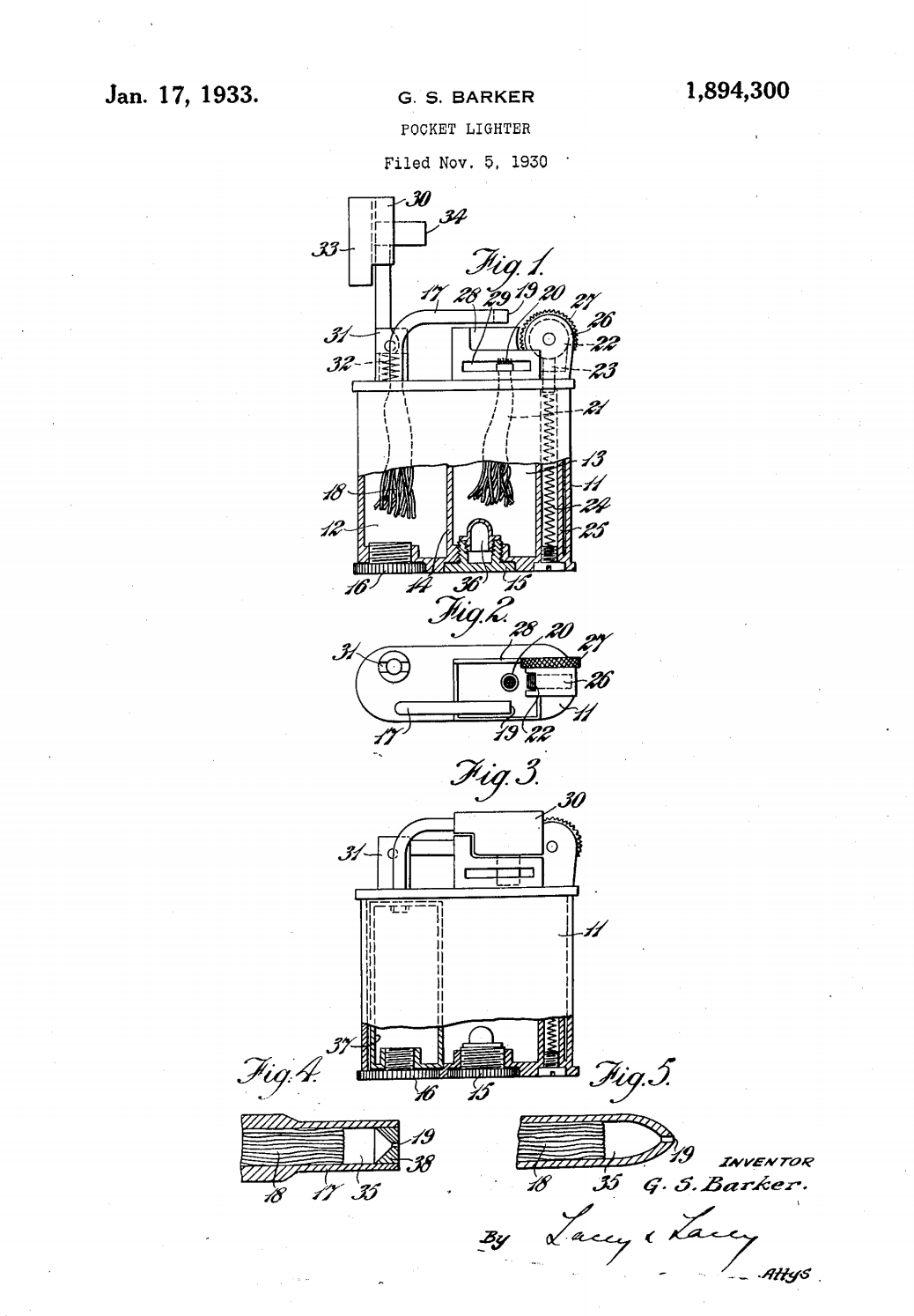
United StatesPatent1930Year
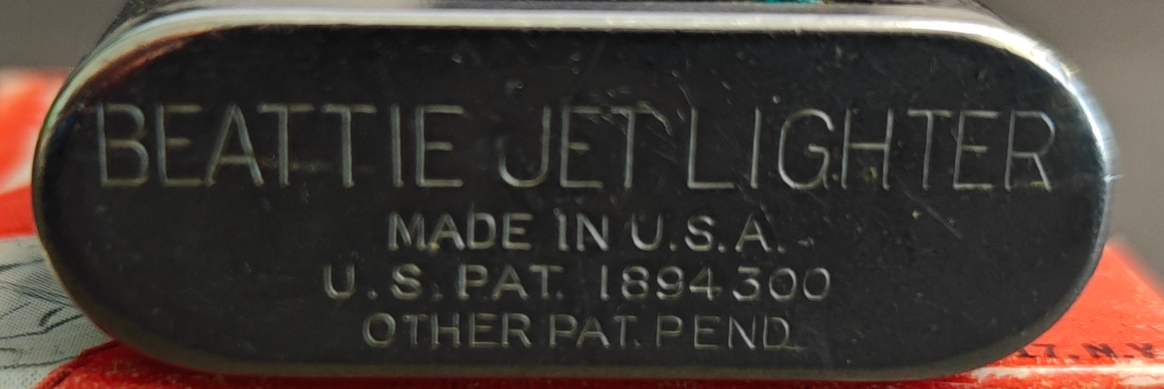
Patent No.:US 1894300
Application Date:1930, 11 05
Registration Date:1933, 01 17
View details
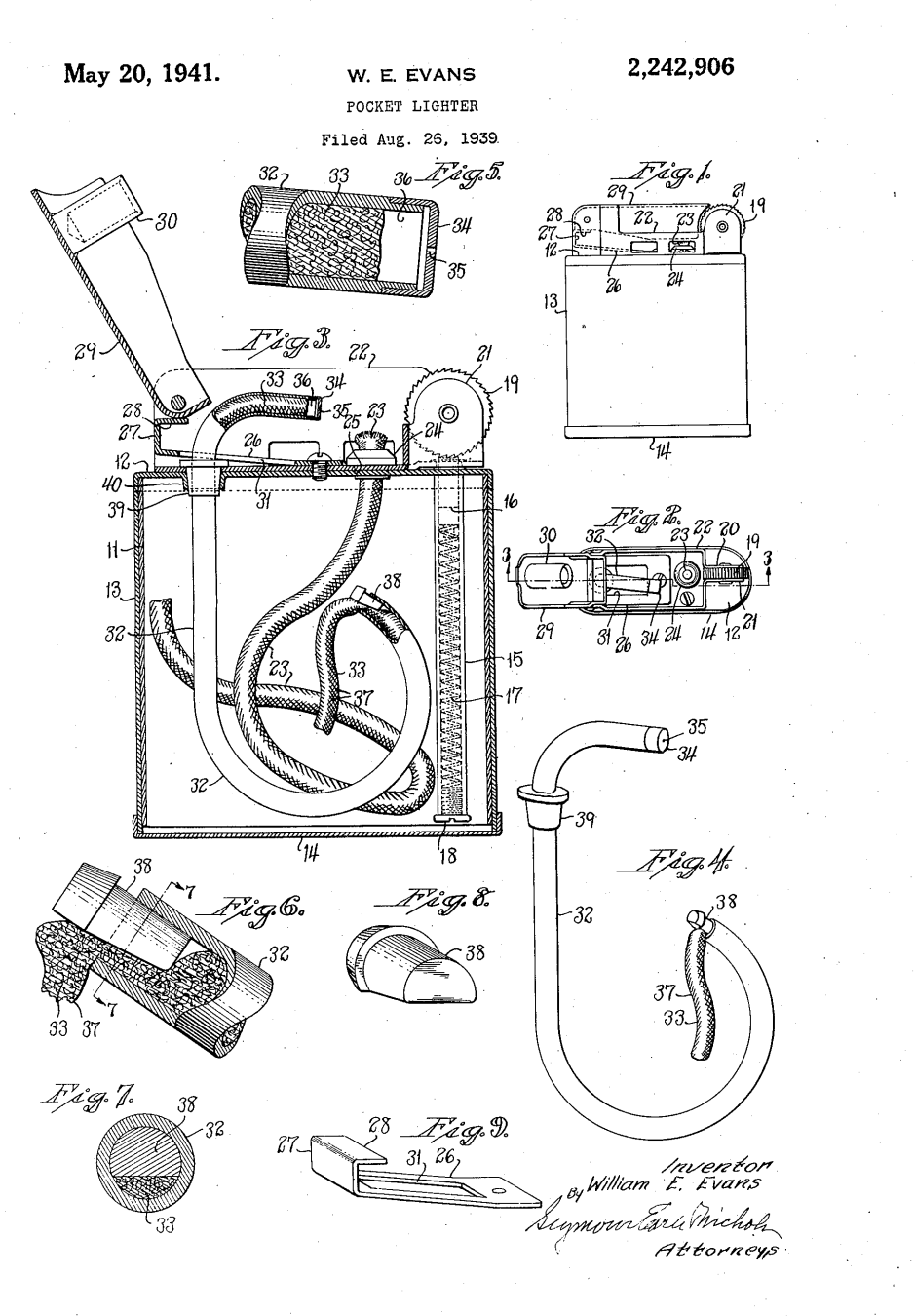
United StatesPatent1939Year
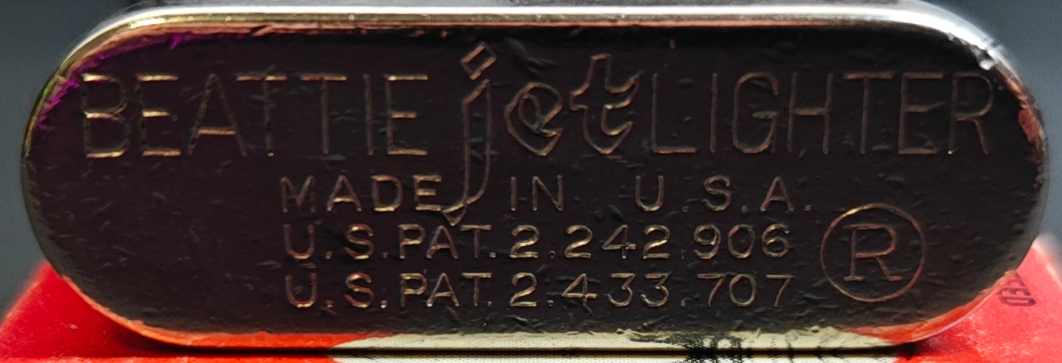
Patent No.:US 2242906
Application Date:1939, 08 26
Registration Date:1941, 05 20
View details
United StatesPatent1944Year
Patent No.:US 2433707
Application Date:1944, 11 21
Registration Date:1947, 12 30
Ads & Articles
View AllNo ads or articles available for this brand.
Product Line
JETLIGHTER (Single-Patent Model)
1940Early/War Series 1940 - 1947 US 1894300 Refer to Modified Patent Most bodies are early nickel alloy; a few have wartime rough coatings. No later patent numbers.
JETLIGHTER (Dual-Patent Model)
1947Gold Late Series 1947 - 1961 US 2433707 Pioneering Core Patent Exquisite craftsmanship featuring various leather wraps (snake/pig) and precious metal plating.