Lift Arm Manual
Structure Explanation
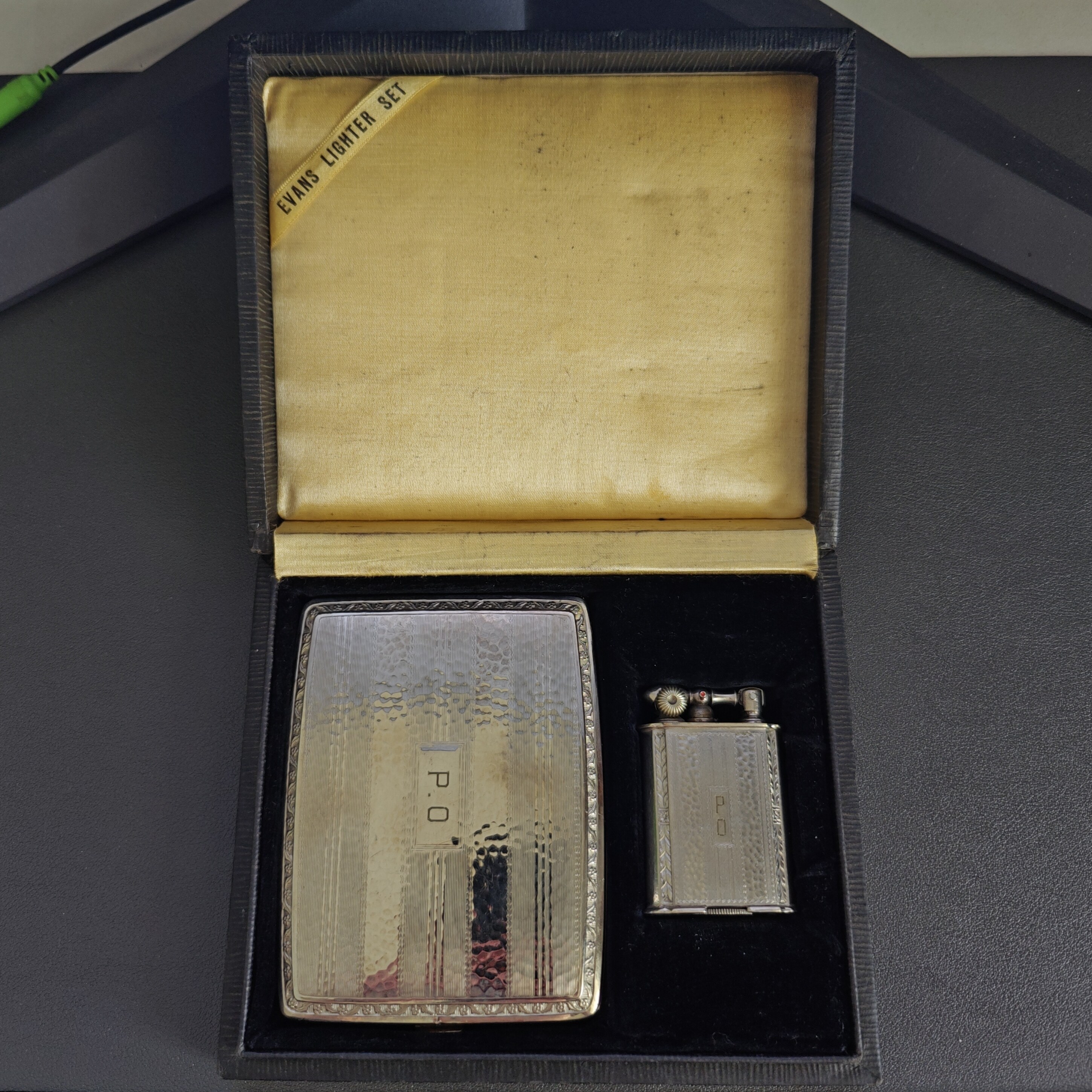
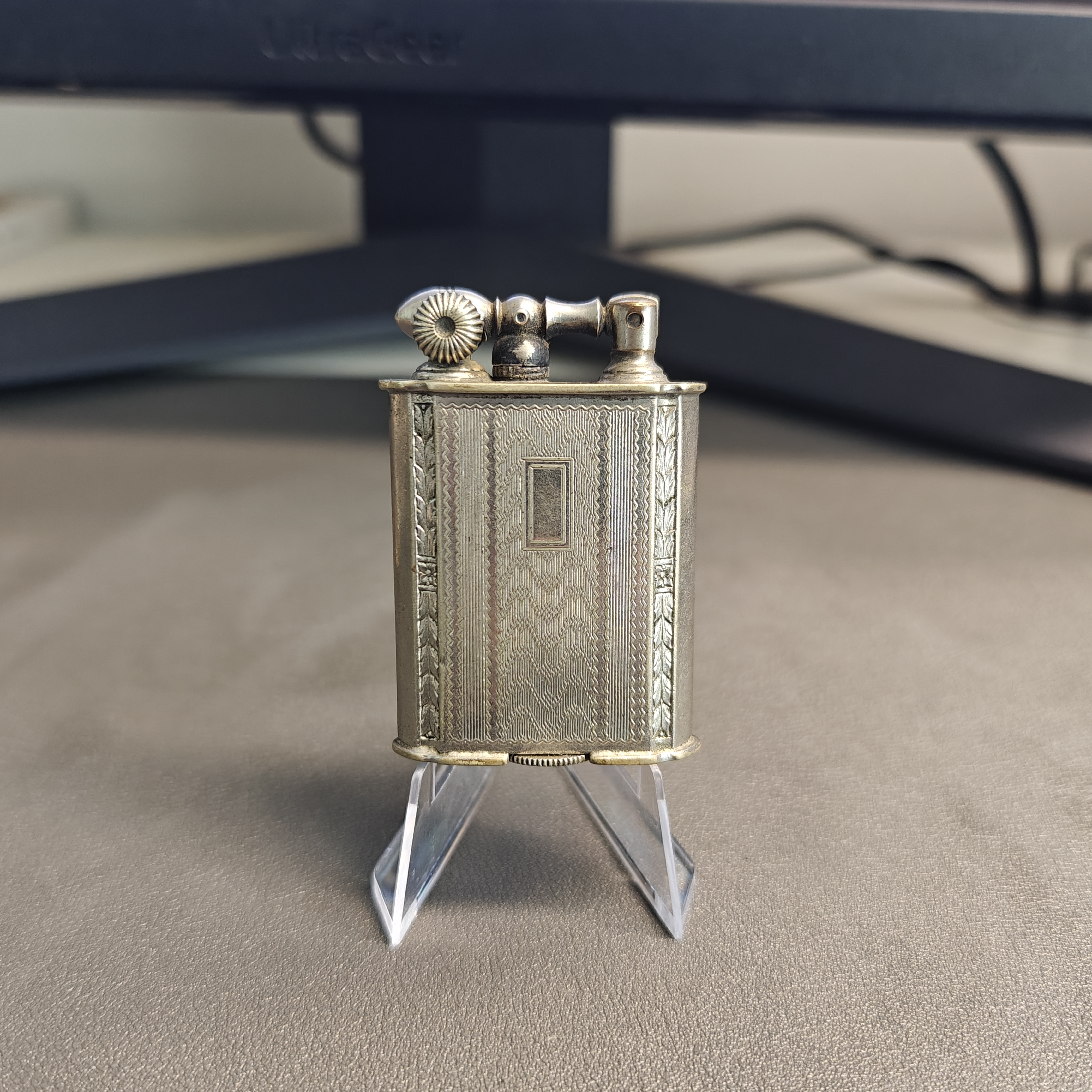
One of the most classic and mechanically elegant semi-automatic mechanisms found in early antique lighters, widely used from 1920 to 1930. 1. Structural Features Lift Arm: A long metal arm spanning the top of the lighter. One end is hinged to the body, while the other covers the flint wheel.
Snuffer Cap: Located at the end of the lift arm, it contains a gasket. Pressing down cuts off oxygen to extinguish the flame and prevents fuel evaporation.
Friction wheel and flint tube: A roller (fire wheel) is mounted below or on the side of the raised arm, directly connected to the flint tube.
2. Operating Principle On: To activate, manually lift the metal arm upward with your thumb. As you lift, the fire cover disengages from the wick, exposing it.
Ignition: As the arm lifts and the wick is exposed, the user firmly strokes the exposed friction wheel with their finger. This creates sparks against the flint to ignite the wick.
Close: After use, press the lift arm down with your finger to reseat the extinguisher cover over the wick and smother the flame.