IMCO Triplex 4700
Series
Triplex 4700
1937Year
Core Information
Brand
IMCO
Era
1945-1952
Material
Carbon Steel
Size
Height: 62.00 × Width: 29.00 × Thickness: 18.10 mm
Weight
43 g
Type
Semi-Automatic Push
Country of Origin
Austria
Craftsmanship Details
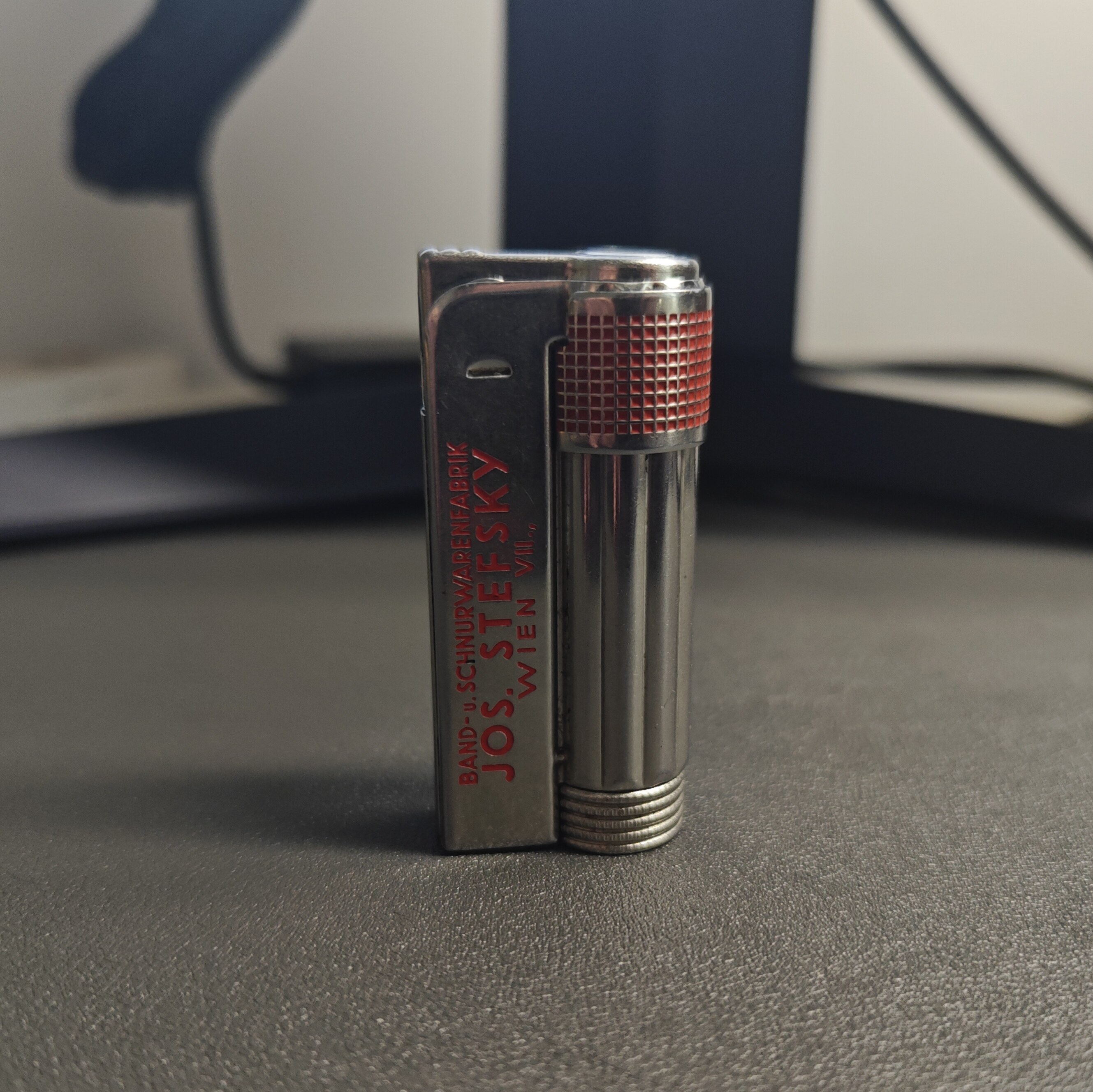
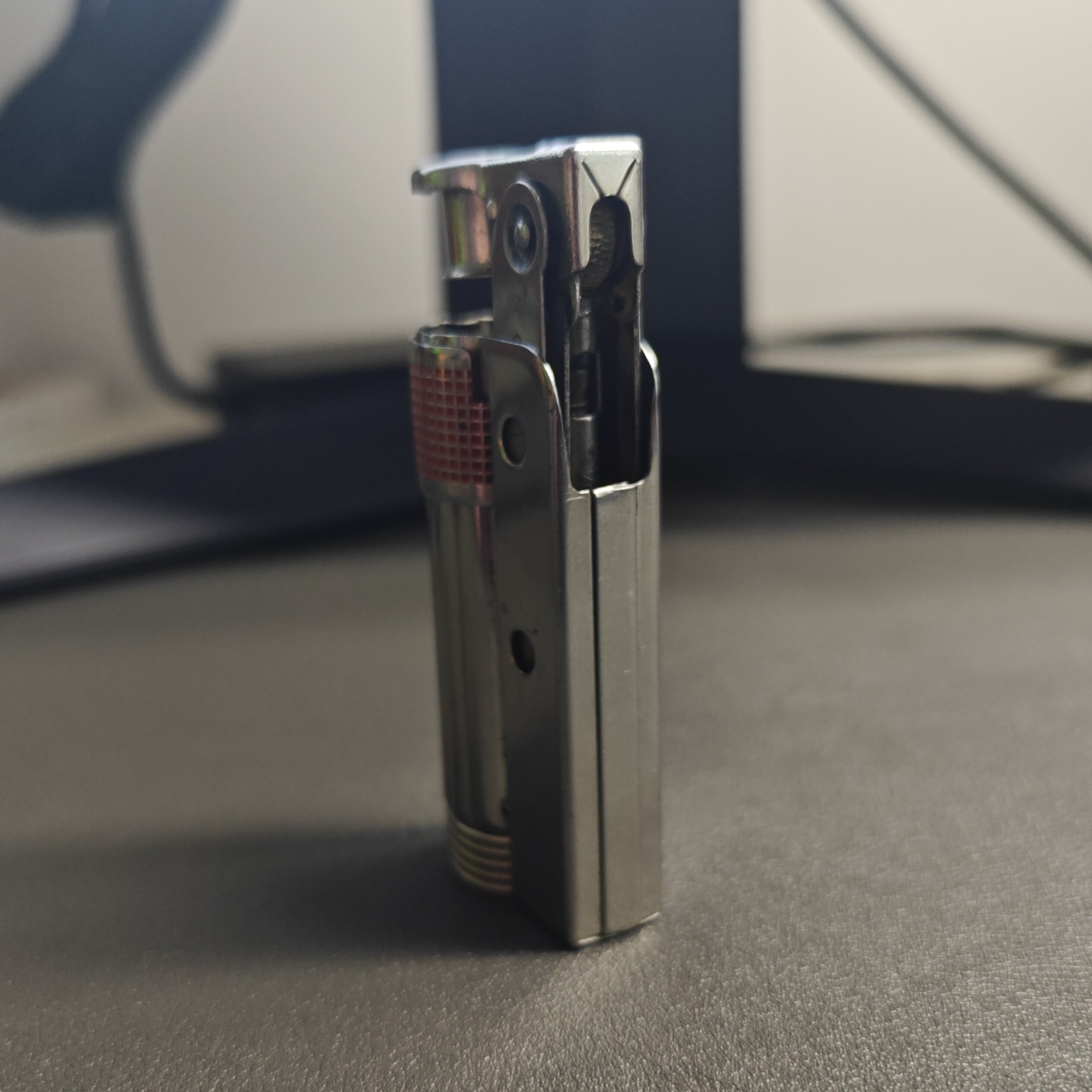
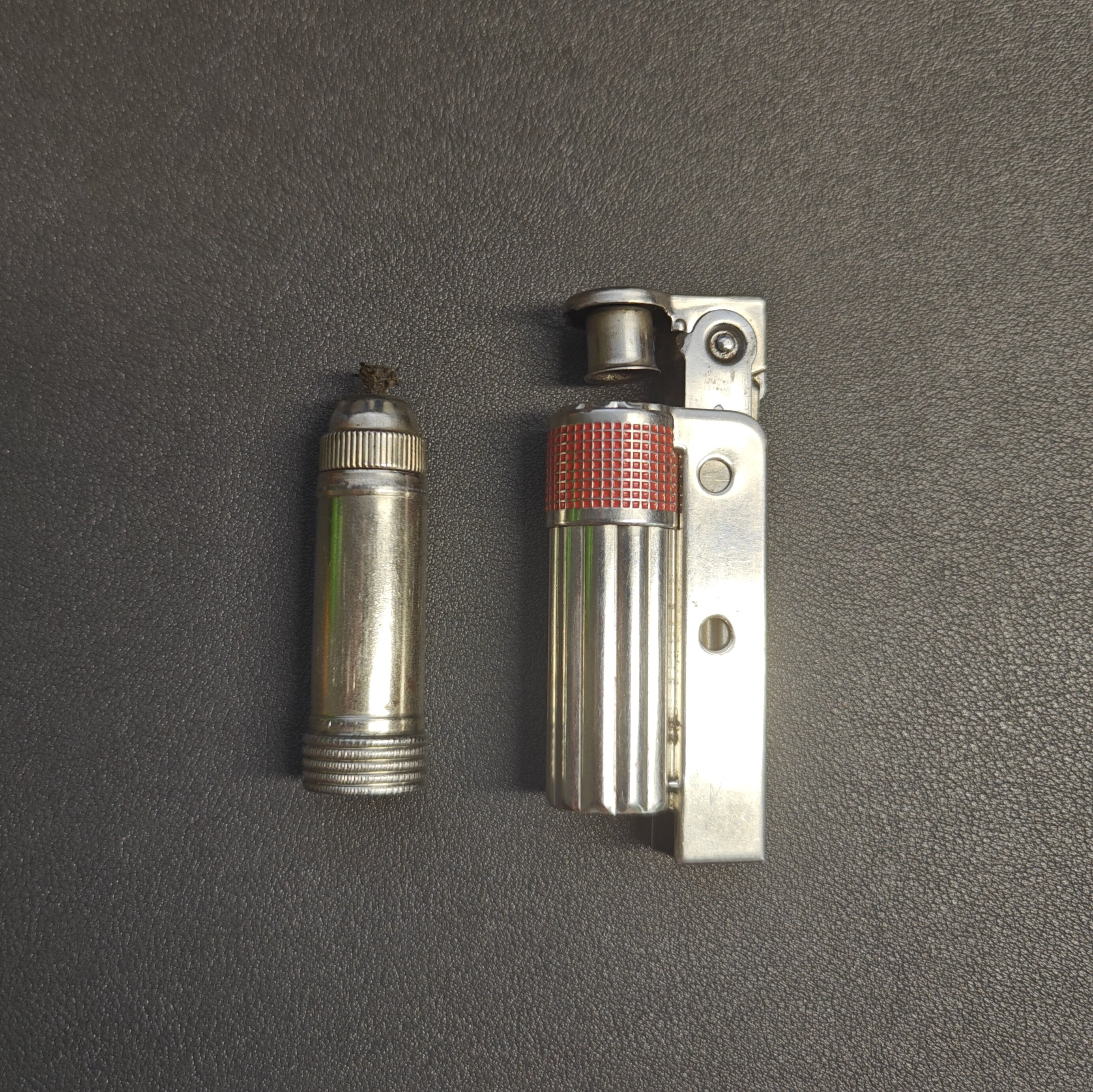
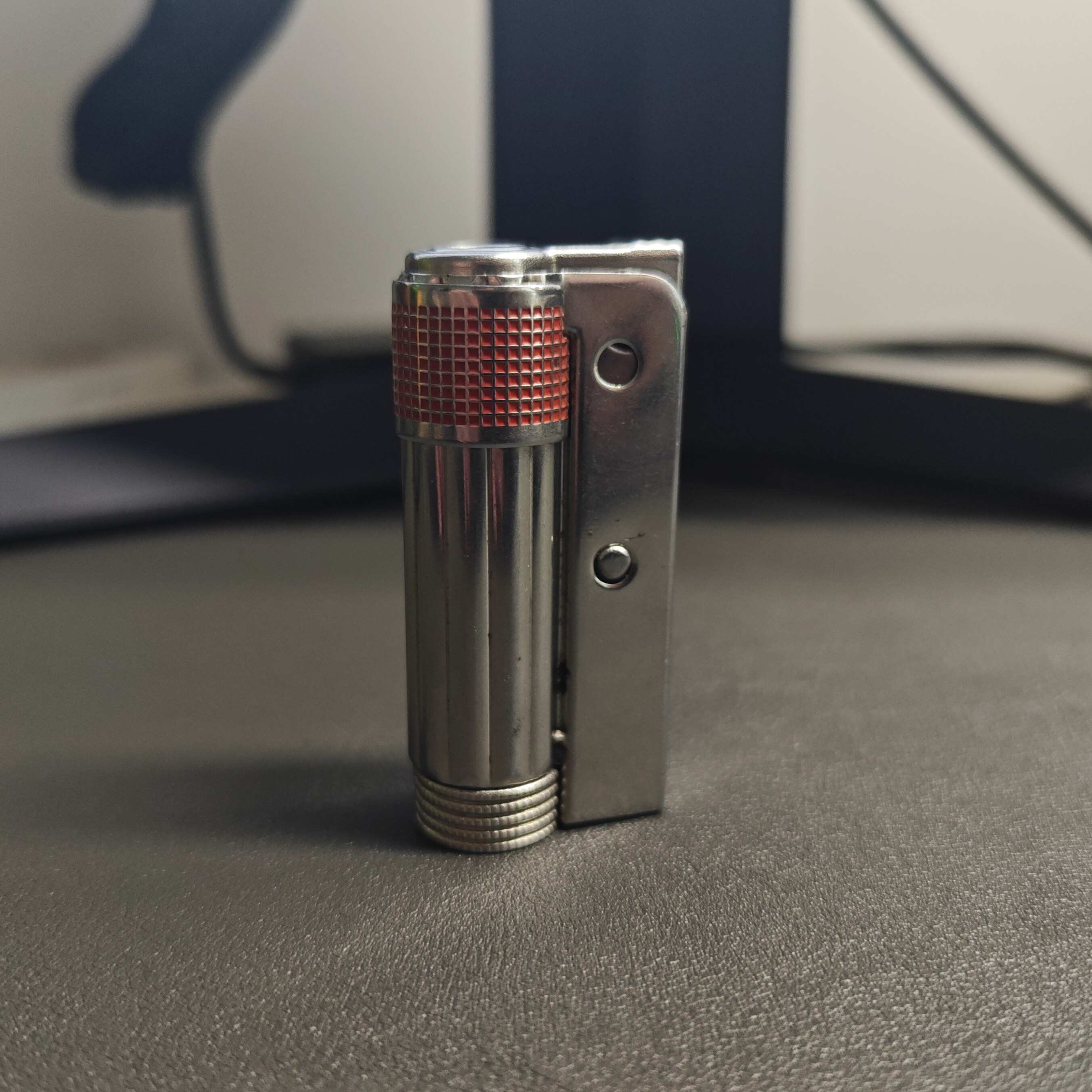
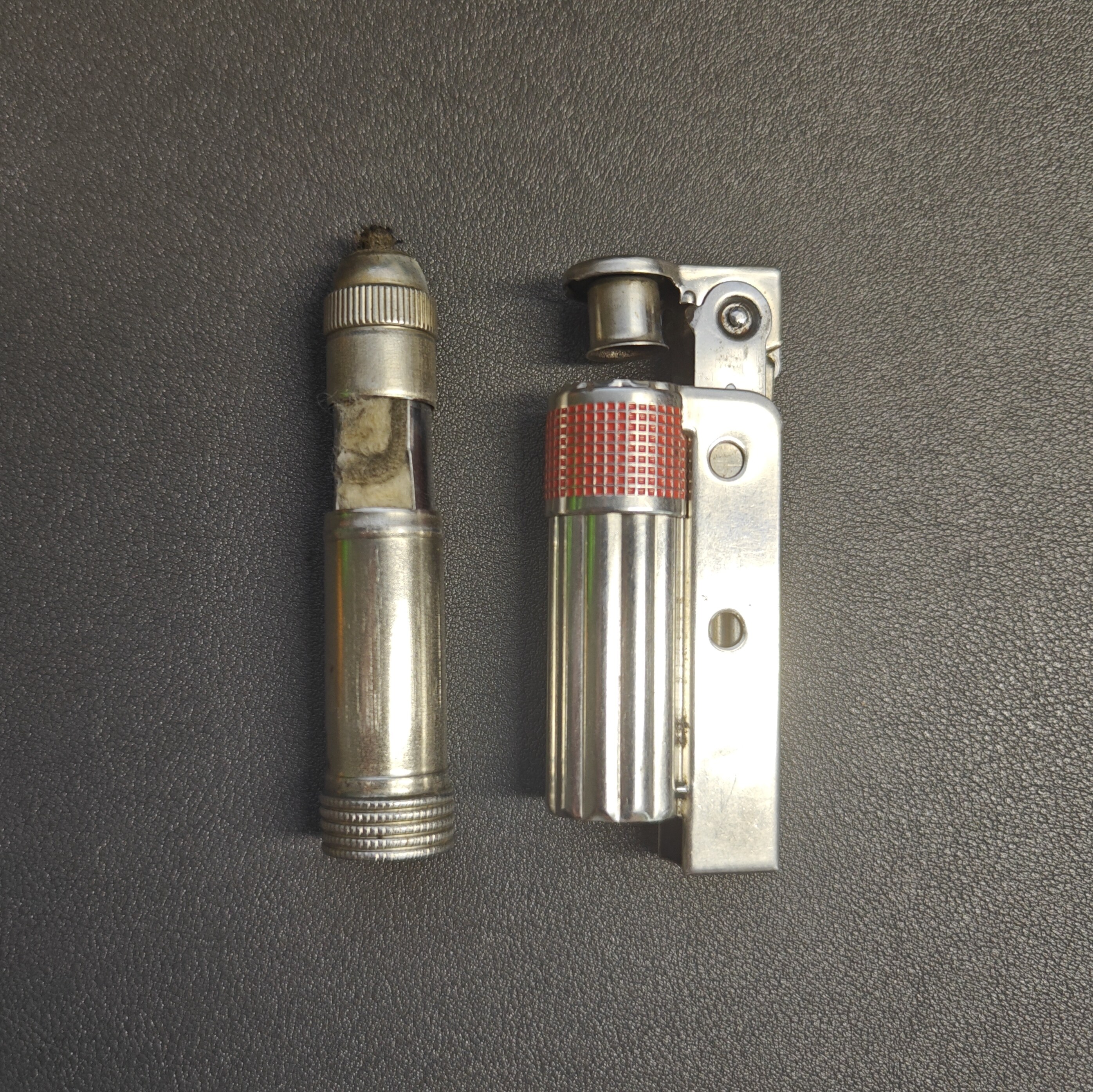
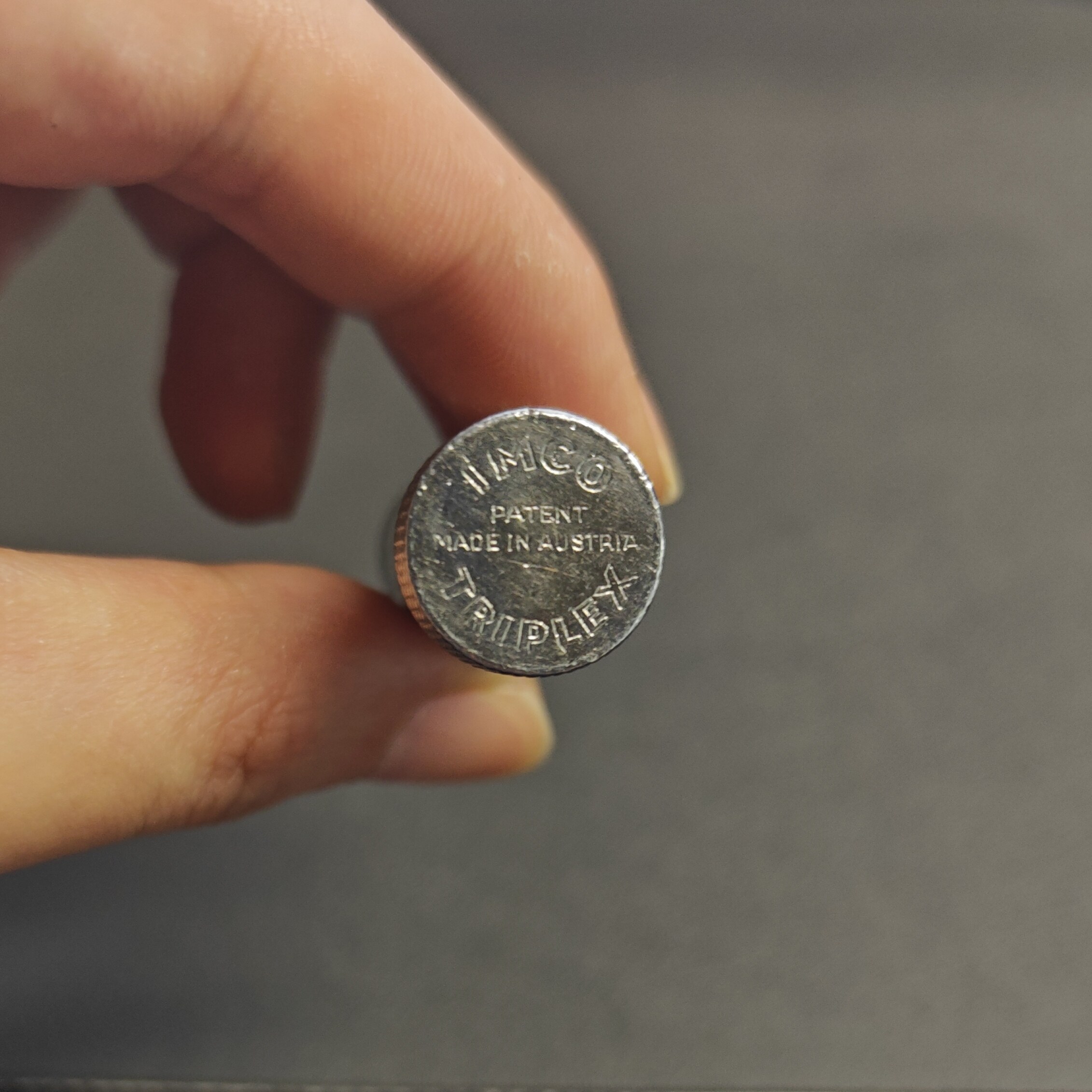
This collectible is a late-stage model from the 4700 series, produced circa 1945–1952. It faithfully preserves the iconic narrow-body design with an "unextended protective wind wall" and IMCO's signature slide-cover "Squeeze" ignition mechanism. Its fuel tank features a unique pull-out design that can be used as a candle or tinder once removed, embodying the practical aesthetic of early industrial design. As a pinnacle achievement in the 4700 series, its definitive authentication marker is the clear stamped serial number "9" located on the inner neck (above the flint chamber). In the IMCO collecting community, a high serial number like "9" indicates this unit was manufactured using the most advanced and precise stamping dies available at the time, and comes standard with the post-WWII improved "Crosscut Flint Wheel"—featuring exceptional grip and anti-slip performance. The body utilizes period-specific carbon steel plating and premium finishing techniques, resulting in a tightly engineered mechanical structure with crisp, reliable ignition. This is an exceptionally rare and classic piece for studying the evolution of European oil lighters from the WWII era through the immediate postwar period.
Patent Information
No related patents for this series.
Please add a patent association for this series in the admin panel.