Return to Collection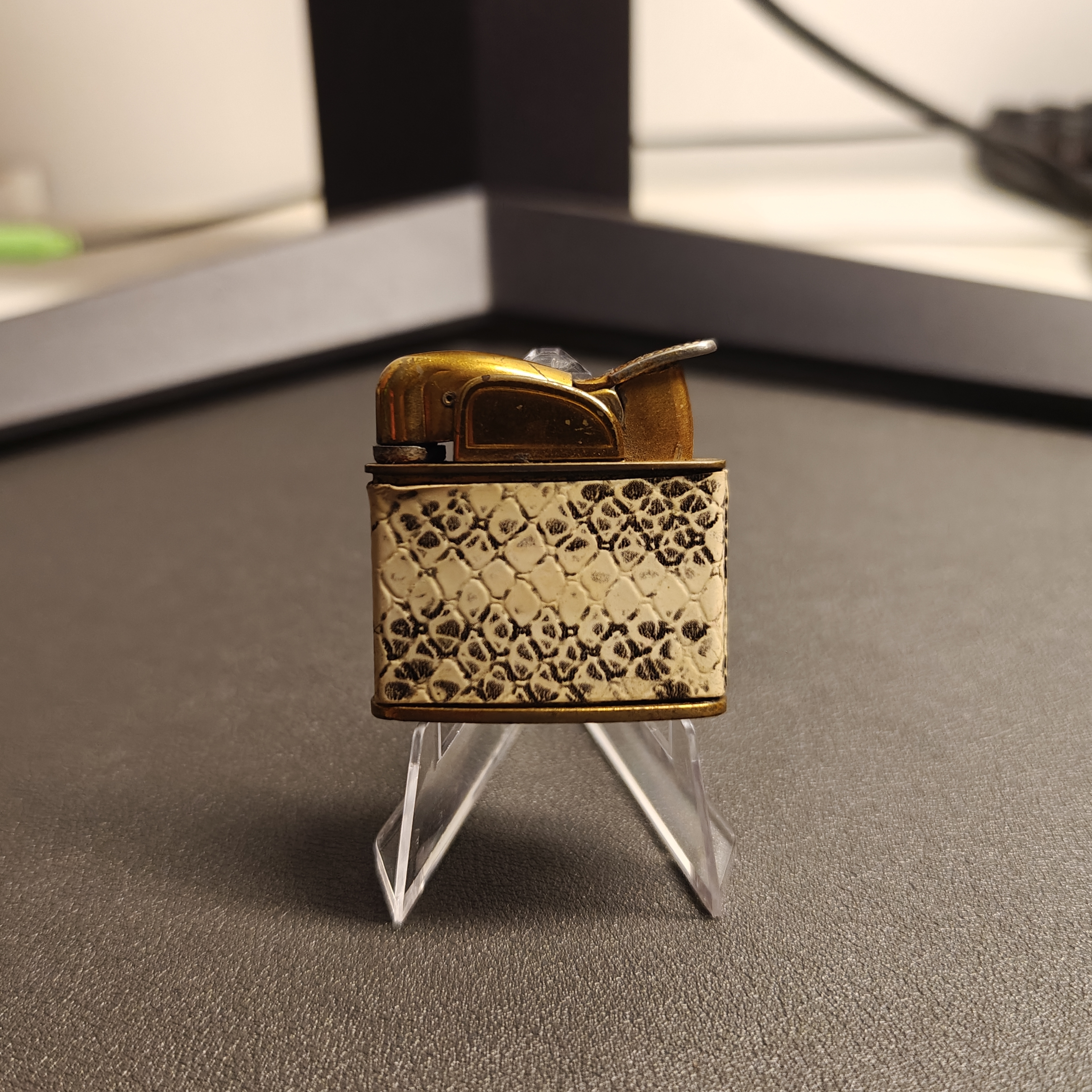
EVANS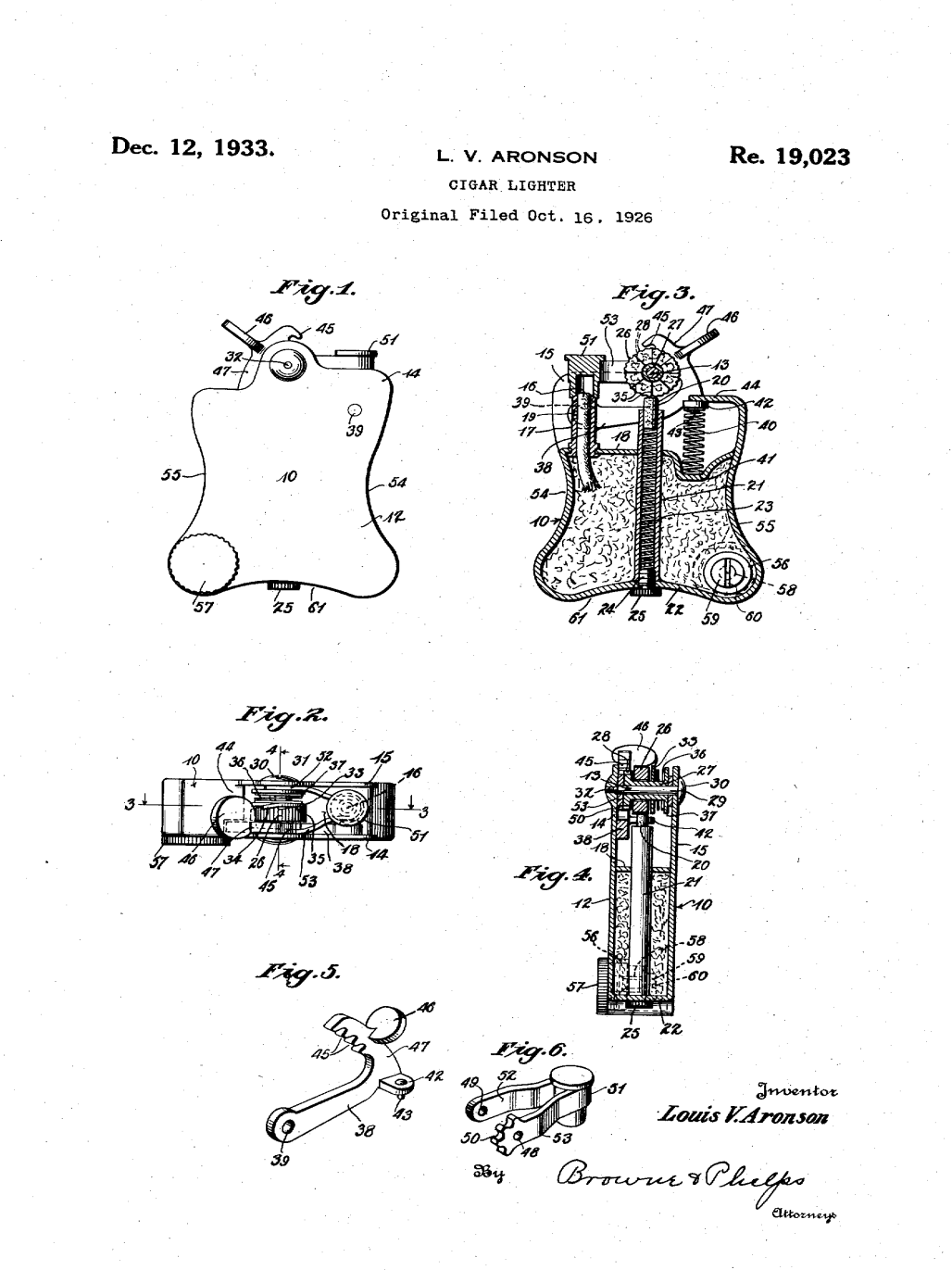
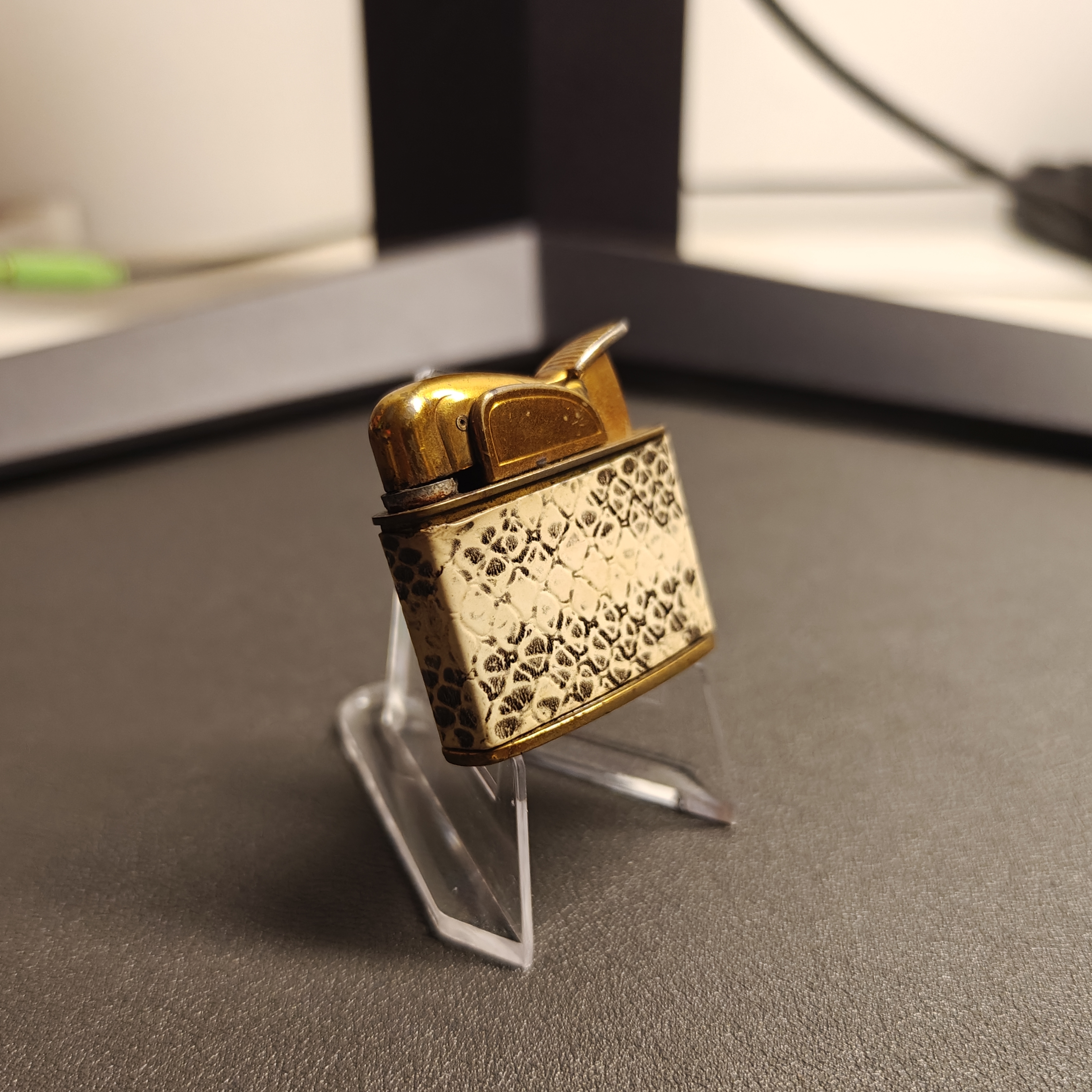
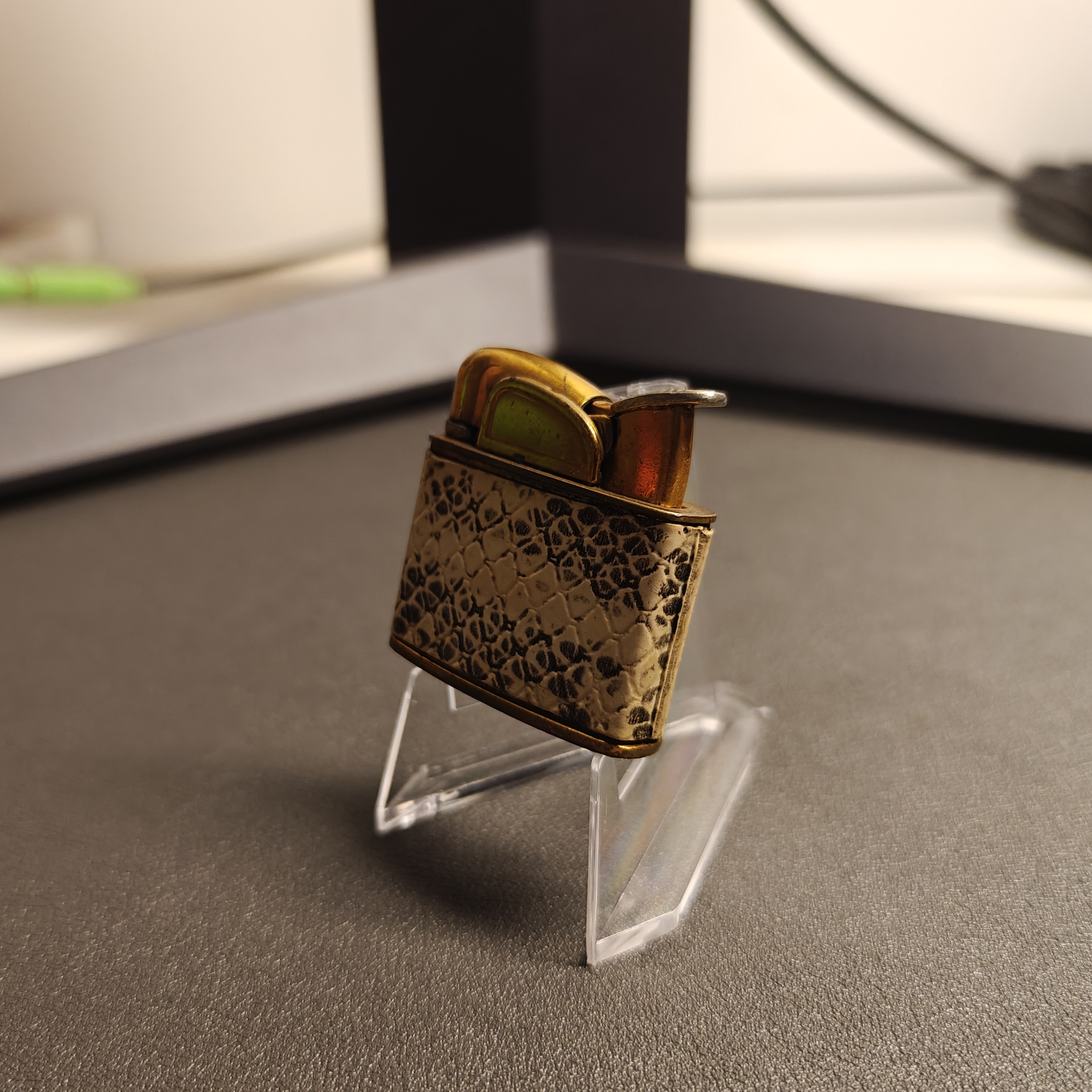
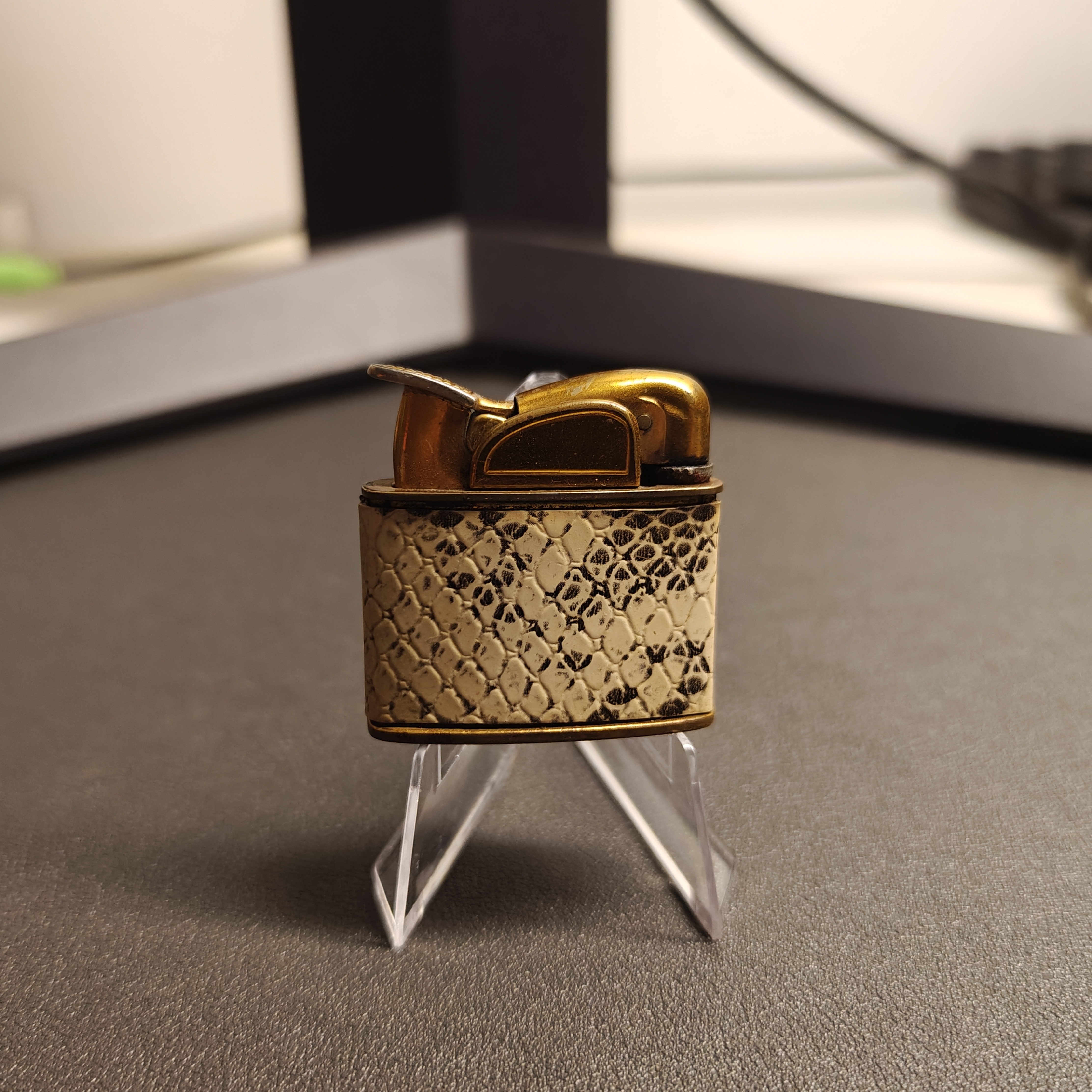
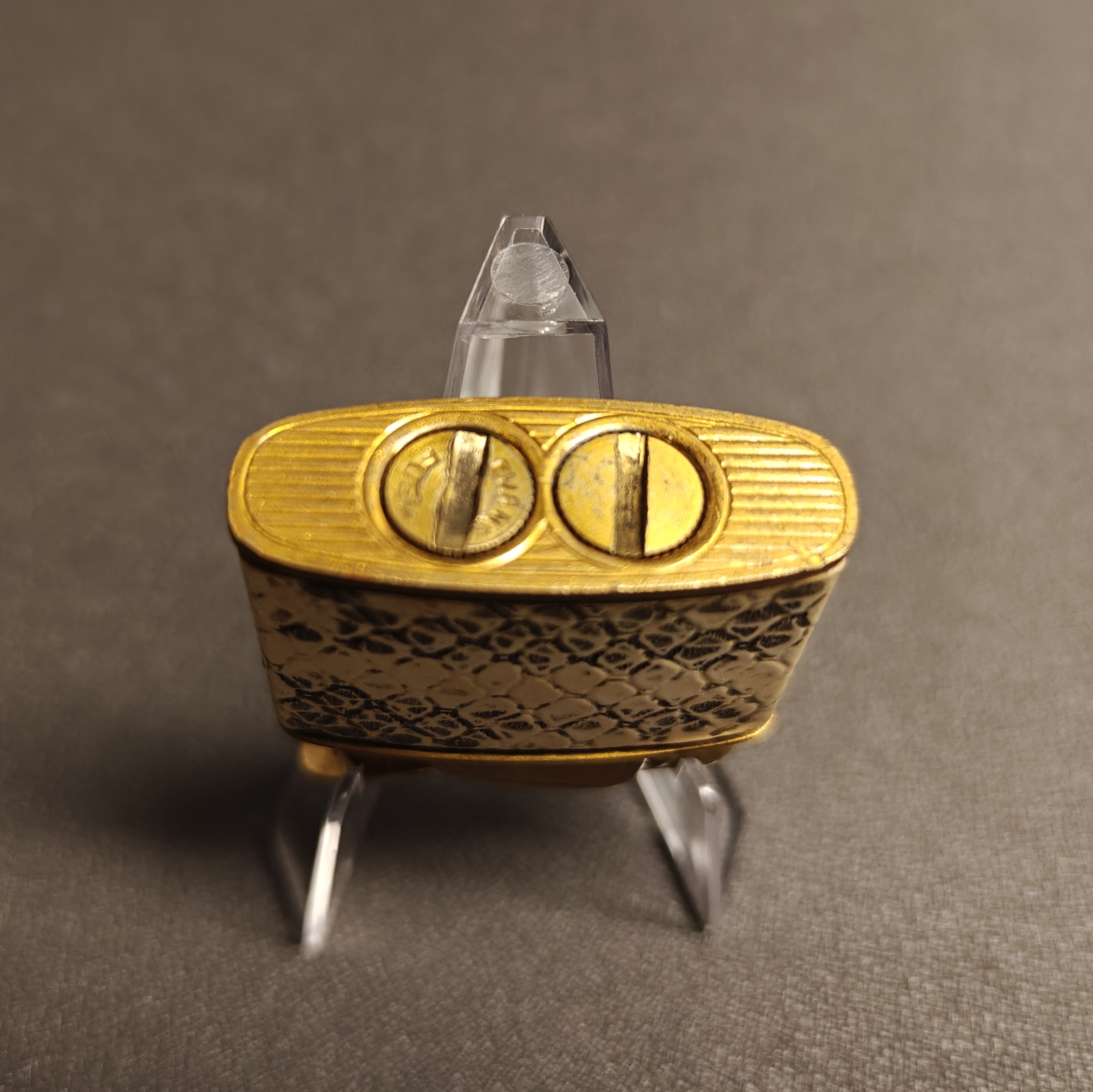
EVANS Spitfire Series Cigar Pocket Case Snake Skin Lighter
Series
SPITFIRE
1940-1952Year
The Evans Spitfire series is the flagship fully automatic kerosene lighter launched by Evans Case Company in 1940. Produced from 1940 to 1960, it replaced the previous model, the Trig‑A‑Lite, and became the brand's core benchmark product over its twenty-year market lifecycle.
The series was developed to solve fatal flaws of the predecessor: a single-compartment design where fuel and flint shared the same chamber, leading to fuel-soaked flints, weak ignition, leaks, and rapid fuel evaporation. To address this, Evans introduced a proprietary Duplex dual independent isolation base, physically separating the fuel and flint chambers. This eliminated oil-soaked flints and leaks while significantly improving reliability and run time. The series also refined the fully automatic mechanism for one-handed operation—press to lift the arm and ignite, release to drop the cover and extinguish. Its slim profile fits perfectly in suit pockets for everyday carry.
Due to industry patent restrictions, the basic structure for automatic lift-arm ignition was patented by Ronson (Patent No.: US Re.19023). In 1934, Evans lost a patent lawsuit and reached a settlement. Under Ronson's patent dominance, Evans abandoned direct structural replication and instead focused on core consumable technology, developing an exclusive composite special wick. This provided a more stable ignition experience, creating product differentiation and laying the foundation for the Spitfire series' future success.
Internal testing concluded at the end of 1939, with mass production launching in 1940. All units shipped with Evans' proprietary composite wicks. During the 1940–1952 patent protection period, every Spitfire unit required a $9 royalty payment to Ronson. Additionally, a screw on the bottom left of each case was engraved with the US Re.19023 patent number. This base patent officially expired on 1952/6/12.
In terms of craftsmanship, Evans perfected gold-plated brass with heat-pressed leather wrapping in 1946. Post-war civilian versions received comprehensive upgrades, featuring simulated reptile skin finishes like snakeskin, crocodile, and lizard patterns. These options greatly expanded the series' aesthetic range, becoming a signature classic feature of the Spitfire line.
To meet demands across civilian daily use, military service, desktop display, and corporate gifting, Evans built a complete product matrix for the Spitfire series, divided into four core sub-models:
**1. Spitfire Pocket (Standard)**
Dimensions: 52×32×1 mm; Weight: 32–4 g. Slim and portable, designed for suit and clothing pockets, this is the best-selling model in the series. It features a one-piece stamped brass head with a tail lever push-button ignition. Gold-plated metal trim protects the casing edges. Available in various finishes including chrome, gold, hammer-texture, enamel painting, genuine leather, and simulated reptile skins. Mass production of the snakeskin-wrapped version ran from 1946 to 1954.
**2. Spitfire Service (Military) (1942–1946)**
A military version custom-made for the U.S. Army during WWII. It features a matte durable finish, removed decorative elements, and a folding wind shield. A thickened fuel reservoir wick adapts to harsh outdoor conditions, and the body can be stamped with military insignia. Focused on durability and utility, it was produced only for short periods during wartime.
**3. Spitfire Table (Desktop)**
A vertical desktop display model with a larger capacity, higher fuel volume, and extended run time. High-end versions feature sterling silver engraving, hand-painted enamel, or music box movements. Positioned as luxury decor and collectibles, these have extremely low production volumes, making them the rarest category in the lineup.
**4. Spitfire Caselighter (Cigarette Case & Lighter Combo) (1941–1948)**
A cross-category high-end model with an elongated design capable of holding 5 standard cigarettes. Combining storage and ignition functions, it targets the corporate gift market. With a short production run and limited market availability, it holds significant collector value.
Core Information
Brand
EVANS
Era
1949-1951
Material
Gold-plated Brass
Size
Height: 37.8 × Width: 37.1 × Thickness: 12.7 mm
Weight
39 g
Type
Press to Auto
Country of Origin
United States
Craftsmanship Details
Body wrapped in snake skin + gold-plated
Collection Overview
SPITFIRE Series Classic Push-Button Lighter: Compact pocket model designed for American working and business professionals. Slim profile fits seamlessly in suit pockets without bulging. Affordable and durable. Premium models feature snakeskin texture and gold plating.
Patent Information
View details
Click any patent to view details